mulberryshoots

"Tell me, what is it you plan to do with your one wild and precious life?" ~ Mary Oliver

Category: Uncategorized

kitchens (almost there) . . .
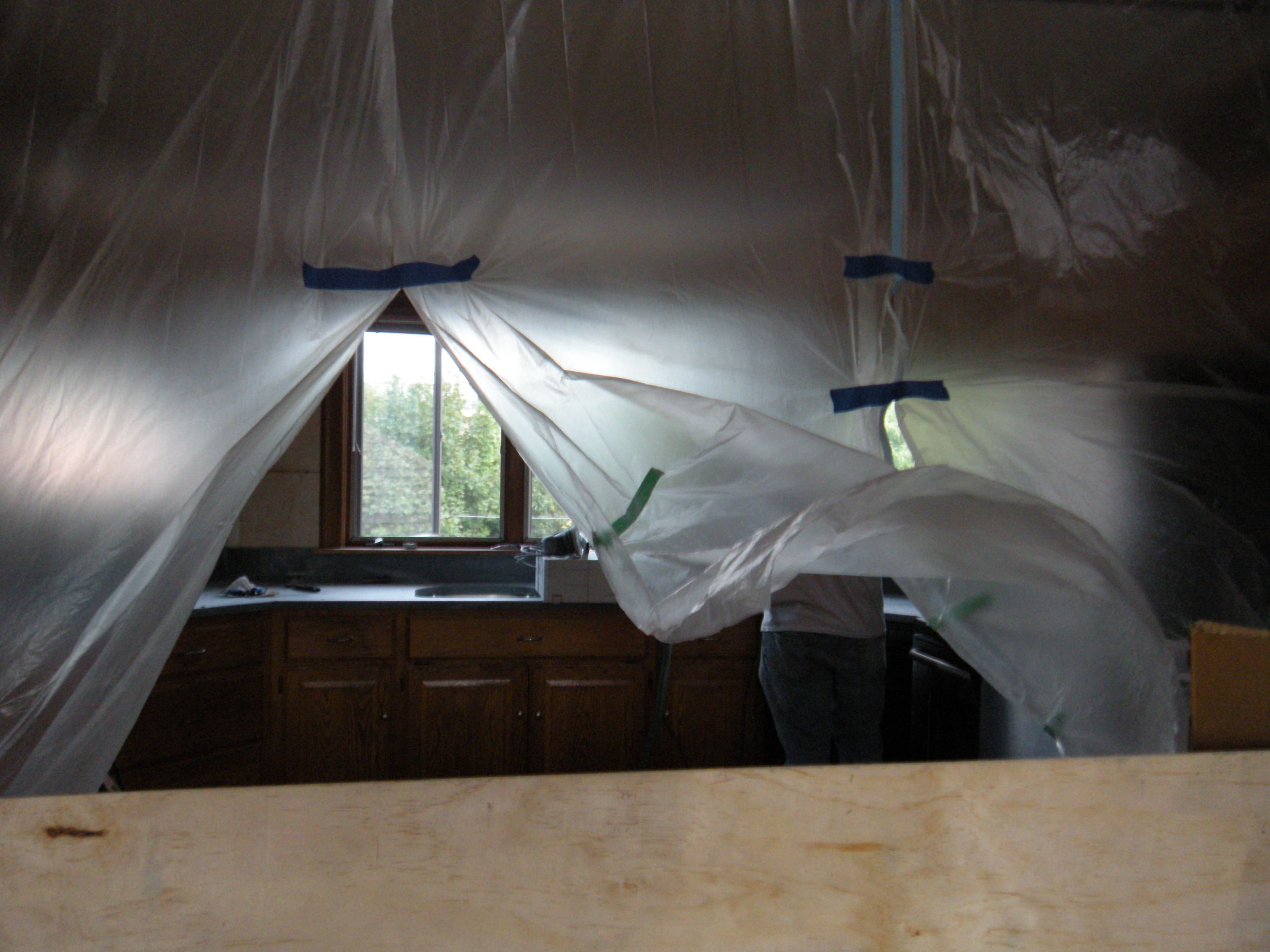
plastic sheeting to contain honing dust . . .

plastic sheeting to contain honing dust . . .

After roughing in two-thirds of the countertop yesterday, the workmen were back here at 7 a.m. this morning. I was impressed. Two of them stayed to cut the remaining piece over the dishwasher and then fit the backsplash around the perimeter of the countertop.They mentioned it’s only the second octagonal countertop among thousands that they’ve done (most kitchens having square angles) and that it made the angle cuts for the back splash more challenging. It took them all afternoon to cut, install and hone the angled backsplash.

The grain on the third piece fit in well with the other two. G., meanwhile, secured the dishwasher so that there was enough space to open the drawer and cabinet door next to it on the left hand side. We have our fingers crossed that the dishwasher, now anchored in place until there’s no tomorrow, will function properly once the water is hooked up again and it goes through its wash cycle.

Our plumber will come tomorrow night to hook up the new faucet with the insinkerator and to move whatever pipes need to be repositioned given the new location of the faucet. After my physical therapy session this morning, I went to the grocery store and brought back salad and some roast turkey slices for the workers’ lunch. One of them declared that the salad dressing I made was “one of the ten best I’ve ever had!” and asked me for the recipe. I thought I’d include it in this post too.

K’s Classic Vinaigrette Recipe:

Champagne Vinegar and Light Extra Virgin Olive Oil. Depending upon the quantity you’re making, use a ratio of 1:2 for the vinegar to olive oil.Then, add:

Crushed clove of garlic—or a light sprinkle of Lawry’s garlic salt

A dollop or two of Poupon country mustard (depending on the quantity you’re making)

A squeeze of FRESH lemon juice—this brightens up and makes the dressing smell wonderful

A dollop or two (or more) of honey—to taste, we like it slightly sweet and sour. You’ll know how much by tasting it after whisking the mixture with a fork. Sprinkle a little cracked pepper if desired.

The guys seemed refreshed after they finished their lunch. I was surprised they were so health-conscious, eating an apple in the morning and drinking water the whole time. I left some more fruit and bottles of water outside on the front stoop to tide them over during the afternoon.

Last night in artificial light, the raw, untreated stone looked more green than blue-grey. Once the plumbing is completed tomorrow night, we’ll use a special dry wax to cure and condition the surface of the stone on Friday. I’m remembering that pot of delicate, pale pink chrysanthemums I saw the other morning at Home Depot too. It will look gorgeous on the new countertop, won’t it?

Here are a few photos of the raw soapstone countertop, completed but unwaxed. Photos of the finished countertop will be posted soon.

Salut!

left side raw countertop. . .

left side raw countertop. . .

center raw countertop . . .

center raw countertop . . .

right raw countertop . . .

right raw countertop . . .


good advice . . .

  Today, I noticed a quotation by a venerated Japanese painter, Katsushika Hokusai (1760-1849). Hokosui was a late-blooming artist who was remarkably well-traveled and turned out more than ten thousand woodblock prints.

 “All that I made before seventy is insignificant. At seventy-three, I began to understand how animals, plants, trees, birds, fish, and insects are constructed. At ninety, I will enter into the secret nature of things. . . and when I am one hundred and ten, everything–every detail–will live.” 

I was happy to come across this perspective and to learn that instead of feeling marginalized as you get older, that there’s still time to be creative–and moreover, that it need never stop.

Later this morning, I noticed an interesting observation made by James Schiro, a lead director of Goldman Sachs who passed away recently from multiple myeloma.

“Shortly before he left Zurich Financial, Mr. Schiro was asked by The New York Times to cite the most important leadership lesson he had learned in his career as an executive. He quoted Colin Powell who said:

         “People don’t like change, but they can manage change,” he said in part. “They can’t handle uncertainty. I think it is the job of leaders to eliminate uncertainty.”

So I guess for people like you and me, we can manage change, like growing older and being creative; what’s harder is feeling certain that we can still find ways to be creative.

zen . . .

IM000281_2I was musing today about the last two posts on this blog: the one from all-American Dale Carnegie who succeeded at convincing people that the way to be popular and to be successful was to be genuinely interested in other people and not promote yourself in a vacuum.

The post I uploaded last night was the unhappy tale of a woman whose life was dedicated to writing poetry, novels and other books. Her struggle to achieve what she wanted was wracked by her unwillingness to consider that her talent was minor (needing more work and discipline.) All her life, she chased potential lovers, infatuated with more than one person at a time, wearing out her friends and lovers alike, dying in her eighties unsatisfied.

Then today, as I enjoyed an iced green tea latte looking through magazines at Barnes & Noble, I leafed through Shambhala Sun and Tricycle, Buddhist periodicals which both featured articles about anger on the front cover. Inside were glossy pictures of articles about how to deal with anger and how to “escape the prison of your own self-image” (don’t have one!) I brought both of them home and have been reading a few articles slowly because you can’t read that stuff quickly and expect to process it, at least I can’t.

What struck me was how these Buddhist articles contained a completely different way to think about life than what we are used to (as described above.) Many of my shelves are filled with books about Zen and Taoism written  or translated by Alan Watts, D.T. Suzuki, Stephen Mitchell and John Tarrant. There are also numerous volumes of ancient Chinese poetry written by Taoist monks translated by Bill Porter whose pen name is Red Pine.

Even so, I haven’t yet absorbed or understood enough from those writings to feel that I’m living the way I’d like to under Zen or Taoism. I’m too Western or not Eastern enough. Or perhaps it’s because I am so deeply inculcated with Western materialism and its easy values. After all, it’s fun to buy things for my granddaughter for her dorm room when she starts college at Johns Hopkins University in a week or so.

Well, I think I’ve got it. I can give up a self-image that requires me to keep striving: to do something or be something that I still haven’t achieved. I can give up anger and being annoyed about a myriad of things that won’t change. I can stop jousting with my ego and be frustrated about how it spills over to other relationships in my life. I don’t have to keep collecting things or searching for something elusive that I thought I always wanted.

Sound good?

I’ll let you know how it goes. My father was a research scientist with a strong personality. In the last years of his life, he took up translating the Tao te Ching himself, eschewing translations by Westerners whom he thought were incapable (because they were not Chinese) of understanding the language of ancient Chinese texts.

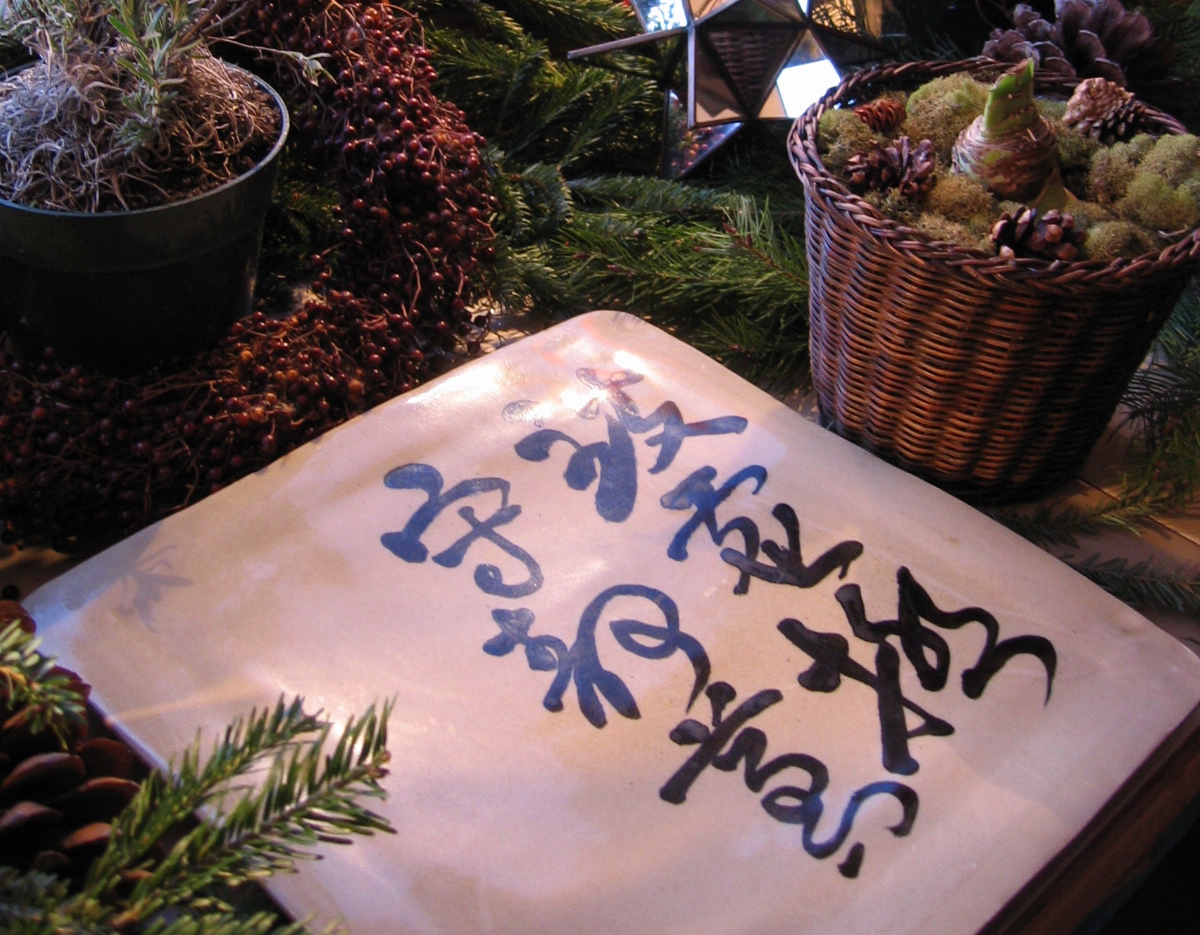
He taught himself ancient calligraphy, producing scrolls that my brother had professionally mounted when he was living in Shanghai on business. My Dad also tried to meditate, sitting at zazen and holding sessions with a handful of volunteers on a weeknight at a local church which offered a free space to meet. I give him credit for trying to live his own spiritual approach to Buddhism or Zen before he died. It kept him engaged and challenged, exploring the ways of the Sage or maybe even learn how to become more like one.

Sounds like a good idea to me too.

a pottery plaque with my father's calligraphy . . .

a pottery plaque with my father’s calligraphy . . .


“mirror, mirror” . . .

DSC_0412 Who is the fairest of them all?

Whilst  (love using that word!) I was looking through more books yesterday, I came across a thick paperback, a biography of May Sarton, a writer of books that had almost a cult following by women during the years when I was a housebound mother of three daughters, living in a suburb of Boston.

Her book, “Plant Dreaming Deep” about moving and settling into a small house in Nelson, New Hampshire and “Journal of a Solitude” fed my fantasies of domestic bliss by a woman writer who described poignant scenes of rooms, furnishings from her family, plants of all kinds on the windowsills, bouquets of seasonal flowers from the rich garden outdoors and delicious meals served with friends and visitors from diverse places. Christmas was a generous preoccupation of decorated trees, loads of presents, bountiful drink and carefully prepared meals with polished silver and napery on the dining table. I loved all that stuff.

Yesterday, while I was reading the biography, I was surprised but not shocked by the portrait of May Sarton’s actual life. She was ignored by her parents, an only child and a spoiled one even though not given much actual attention. Her personality was dramatic and her demands were many. She was often met with disappointment as her temper tantrums and tirades at people gradually and oftentimes put them off from helping her, although a few loyalists pitched in for a long time with housesitting, plant tending and doing chores, even when met with Sarton’s criticism and ingratitude.

Most interesting of all, was the way that she used her environs and the people around her in an idealized way that served as props for her most well-received book, “Plant Dreaming Deep.” I was astonished to read that buying the small house in Nelson, New Hampshire, was meant as a venue for a love tryst with someone who was already involved with someone else in Cambridge. So, this melodramatic back story was going on in parallel to writing “PDD”, an incredible real-life contrast to the beautifully written domestic memoir that inspired legions of women at the time, myself included.

She sought out situations where she fixated on a potential lover in order to stoke her writing, using the projection as a “muse” for writing poetry. The most astonishing example was her pursuit of Margaret Clapp, President of Wellesley College where Sarton taught on a yearly contract until it was not renewed. Flowers, elaborate engraved gifts, incessant phone calls and poems about her were sent by Sarton to Clapp for FIVE YEARS to no avail.

By the end of the book and her life, she hadn’t changed at all. Still complaining and full of self-pity, still searching for a fulfilling love affair according to her terms, there didn’t seem to be much difference between the May Sarton in her twenties from the one who died in her eighties. Granted, she wrote many books and had them published. She had a following of readers whom she wanted but also decried for the attention that they sought from her. She wanted fame but not what came along with it.

She also had a better opinion of her writing than any of the critics and academic writers she knew (serious writers such as the poet, Louise Bogan and teacher, Carolyn Heilbrun.) She refused to learn from comments that her work was “sloppy, casual, not rigorous enough and often too sentimental.” Instead, she felt that critics did not understand her work nor appreciate it enough. She once said, “If I won the Nobel Prize this year, it wouldn’t make up for the years of bad reviews I have received!”

What a revelation reading this biography was yesterday on the heels of the Dale Carnegie golden rules post the day before. For whatever cause in her childhood, she cared about nobody but herself throughout her whole life, criticizing almost everyone she came across, friends, lovers, fans and critics. She did have a long-term relationship with Judy Matlock who was patient, caring and loyal while Sarton pursued other lovers. Sarton’s callous treatment of Judy during her weakened state was something she regretted afterwards but which she didn’t avoid while Matlock was still alive.

May Sarton’s biography is an ironic case study of how not to live your life or treat those who care about you. She travelled the world, had sophisticated friends in different social and literary circles. Her friends helped her afford the luxurious lifestyle that she felt she was entitled to, like renting the Maine house with an ocean view that she let readers think she owned.

I wonder if we lived in parallel universes and if she had a chance to read this biography of herself whether she’d do it differently the next time around.


“Noah” . . .

. . . the next great flood . . .

. . . the next great flood . . .

Having little better to do on a Saturday night, G. and I surfed through Netflix and Amazon.com to see if we could find a movie worth watching. We picked “Noah” with Russell Crowe and Jennifer Connolly, the actors who co-starred in “A Beautiful Mind,” some years back. If they hadn’t been in the movie, probably few people would have decided to view it. Because it was just awful.

I won’t go into all the theatrical aspects of the movie which made it seem sometimes like a “Lord of the Rings” wannabee, replete with animated giant rock robots who fight off the hordes of humanity who want to board the ark before it’s too late.

The reason I’m writing about it in this post, however, is that the message about humans ruining everything is still true: doing themselves in whether it’s due to the introduction of evil in the Garden of Eden, providing temptation through eating the forbidden fruit and making choices that result in defiling Nature’s gifts, killing brethren (Cain and Abel) and conducting wars upon wars (the Middle East, Ukraine, Syria, Al-Queda, Taliban) still goes on and on, everyday. Whether you buy into the religious ringtone around the original sin thing or not, it’s easy to see that we humans perpetrate hardship on each other and that injustice is rampant due to ego, greed and the quest for power and domination. Where will it all end up. . . another flood? If not, what are we to do as we lead our lives on a small scale, trying to get along with those we love and moving on from things that don’t matter any more?

How can we stop the merry-go-round and get off the human centrifuge that spins us around all the time? I’m thinking for myself that it would be helpful not to want anything any more. Not having a bucket list, for example, of exotic places to travel to or museums to see. Or that elusive place to live directly on the ocean with taxes you can’t afford, never mind the purchase price or even a week’s rental fees. Not STRIVING all the time. The energy that goes into striving is a propellant that is hard to defuse. Eastern philosophy says just that: stop wanting and you will be more at peace. Of course, that doesn’t mean we have to live in a treehouse and drink drops of rain off of pine needles at night either.

And what’s a happy medium since we live in America and can’t turn off the news? Stop reading magazines for one–a pet hobby of mine, where emulation and ideas for new things to get are what they are all about. I’ve been going through ones I’ve kept through the years, tearing out a recipe or two and then tying bundles of them up in twine to take out for Tuesday recyling pick-up. What else? For me, it’s to be more effective about living in the present so that the past doesn’t affect me so much anymore. And for things that linger over us that may affect us in the future to stay where they belong–in the future sometime.

In the meantime, we’re trucking along, each of us having survived and recovering gradually from physical injuries this past Spring. My car, which went missing a few months ago, then recovered, then held hostage by the insurance company is almost ready to be repaired. The screw that was holding my tibia and fibula has been removed; and I’m looking forward to taking a trip in September to Puget Sound with my daughter and her family. Looking forward to eating Dungeness Crab is enough for me to strive for these days.

So, until the next flood, wildfire epidemics, tornadoes, tsunamis or attacks on planes somewhere in the world, here’s to living today as best we can, clean up our messes and be nice to the people we care about.

Oh, and to stop making bad movies with money better spent elsewhere.


generosity . . .

quail egg garnish with cold soba noodles. . .

quail egg garnish with cold soba noodles. . .

Today, I met my daughter, C., at a late morning (that’s right) showing of the Jon Favreau movie, “Chef.” We had hemmed and hawed about whether to go at this time (the next showing was at 5 p.m.) because Hurricane Arthur was threatening to send severe thunderstorms into the area and we weren’t sure about whether to chance driving in it or not. But after I filled the Subaru with gas and poked around in the a.m., it seemed like the sun was still out and we had nothing to fear. Nevertheless, I packed a fleece jacket and a big umbrella, just in case.

The movie turned out to be one of the most fun films we’ve seen in the last twenty years. Honestly, I kid you not. We kept waiting for something untoward to happen, but although it was not stereotypical, its witty and fast-paced plot just about took your breath away. The very strong Cuban musical score kept things hopping too. A very savvy, modern social media-filled movie that showed how in America, even chefs can have a second chance at life (witnessed on Twitter, no less!)

Afterwards, we went to an old favorite Japanese restaurant that we had forgotten about. After missing a turn, we finally pulled into the parking lot and went in for a late lunch. We ordered a yellowtail appetizer that was the best thing we ate the whole time, along with some Unagi sushi.

yellowtail sashimi and unagi sushi . . .

yellowtail sashimi and unagi sushi . . .

Before we began, C. surprised me with a gift that was unexpected and blew me away. She and I have a lot of things that we share the same thing of–(for example, the James Bond “Vesper” Algerian love knot replica necklace that we both wear when we go to movies together) which is a lot of the time since we love movies and see lots of them together. Other things we have alike are Vera Bradley handbags and wallets in the same pattern (also shared by my granddaughter who carries a small wallet in the same pattern.) Like that. They say that when two (or three!) women have things alike, especially if they are mother and daughter (and granddaughter,) that it signifies a special closeness between/among them. That’s true for us, it seems.

me, wearing my James Bond "Vesper" movie necklace . . .

me, wearing my James Bond “Vesper” movie necklace . . .

Without going into detail, I have to say that although I am not usually easily surprised, her gift knocked me over like a feather. So generous and so beautifully made and JUST the right colors! We both like surprising people with presents, deriving the greatest pleasure out of giving things to others that we think they might enjoy. So, a big hug to C. and thank you for such a wonderful day! We are lucky and give thanks for it all.

Happy Fourth of July, everybody!


“competition” . . .

DSC_0636

Do you know anyone who always has to have the last word? Who doesn’t, right? It could be a friend, a sibling or a parent, to start with our innermost circles. I have one in particular who never fails to make sure that I know she’s done everything I ever thought of doing. And on top of that, is planning to do things I would never think of doing. For a long time, I was baffled by this pattern because our lives have been and are so different from each other. Plus, we’ve not really been close either. So, why the competition?

Synonyms for competition are “rivalry” or “contest.” There’s sibling rivalry but that’s usually for favoritism from a parent or parents. And if the parents were clear about whom they favored and have passed away, who cares anymore? As far as a contest goes, there’s no prize for the winner and no judges either. Makes the whole aspect of competition seem trite and fruitless doesn’t it? Be that as it may, it is vexing when one of these messages floats in through the transom and is not only annoying but stirs up competition in yourself as a result!

I guess the best thing to do about it is to ignore it rather than try to understand it. In other words, it’s all about THEM, and not really about YOU, AND not even about THEM AND YOU. Would that I could be so cerebral and intelligent about it! What it makes me want to do after gnashing my teeth, is to forswear communicating with this person ever again. I think I’ve tried that at least twenty times too.

So, how about competing back?  That puts us on a road to infamy for sure. Or turning the other cheek? Been there, done that. Rationalize it somehow as a sign of THEIR insecurity? You think?!? There’s no good way to deal with this kind of power slice-and-dice, it seems to me. Maybe writing a post about the futility of it all might help. At least I hope so.

Let me know if it’s ever happened to you!


diminished . . .

DSCN5766

Yesterday, I met my daughter, C. for lunch at one of our favorite Chinese restaurants in Framingham. It’s a “mom and pop” restaurant: she runs the service side and he does the cooking. Both their children have worked in the restaurant since the son was in high school. We’ve been going there since he started college and then finished graduate school. Everything is home-cooked in the back kitchen. There used to be an item on the menu called “meat pie” that never had any meat in it. Instead, it had light flaky layers of pastry with a unami tasting center of finely chopped onions sprinkled with sesame seeds. We asked the son about it and were told it was taken off the menu because it took too long to make and people would finish their meals before it was baked, then reject the order and wouldn’t pay for it. Too bad because it was our favorite dim sum item on the menu.

Another of our favored dishes was a buddha’s delight kind of dish made with silk squash, tree fungus, tofu skin and fresh bamboo shoots. But yesterday, one of the big pieces of fresh bamboo shoots tasted slightly sour to me. I set it down on the edge of my plate and decided not to complain about it. I felt sad for a moment that there were so few diners eating in the restaurant and that the cook seemed to have stretched out the use-by freshness of their ingredients.

Later, G. and I went to a neighborhood Chinese restaurant for a quick supper of soup and crispy noodles with fresh vegetables. As soon as we entered the restaurant, I noticed something was different. The tables were bare wood with paper place mats and pink cloth napkins folded into empty water glasses. Usually, there was also a pink tablecloth covering the wooden top as well. I noticed a car with a linen delivery logo on it parked outside. Maybe they had a late arrival of the tablecloths. Or maybe they decided to do away with them to save money. Suddenly, I felt the twinge of sadness I had had during lunch reoccur here in this restaurant without tablecloths.

These eating establishments have both been around a long time. I haven’t been to either one in months as we don’t go out to eat often, much less twice in one day. It felt like the economy has taken its toll on these family-owned restaurants. People are still courteous and glad to see us. They put on a positive countenance. At the same time, there is a quietude in their manner as well. Times are harder than some of us think. Two meals today have convinced me that quality has taken a backseat while trying to cut corners here and there. I wish them well. But I’m not hopeful that things will get much better over time. And that would be a misfortune for us all.

attitude . . .

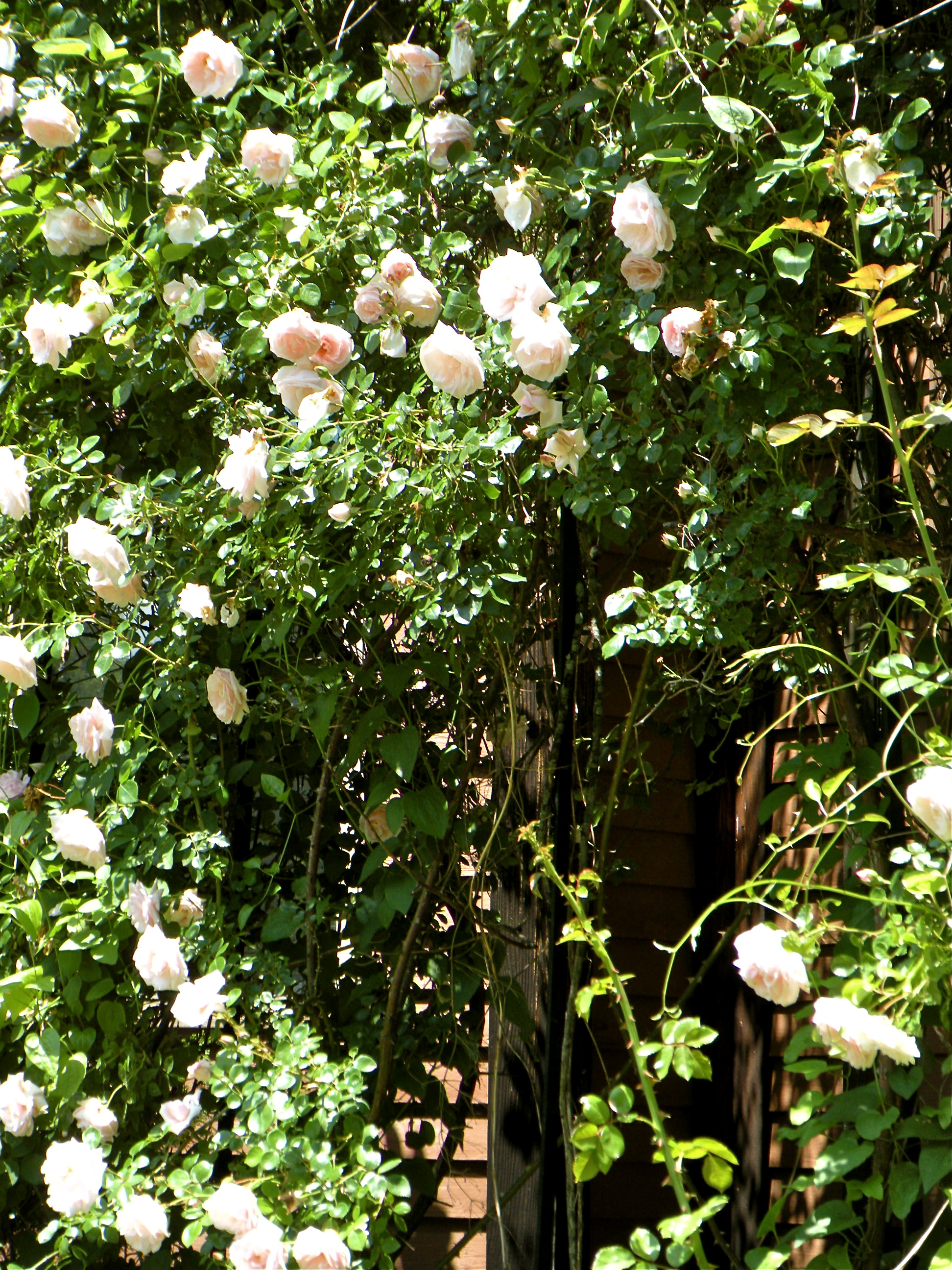
white wisteria and pale pink clematis growing on the rose arbor

white wisteria and pale pink clematis growing on the rose arbor

DSCN3822

At the same time that I’ve been thinking about “happiness,” I’ve also been reflecting on attitude and what goes into what makes up our attitude towards the day in front of us.

Most of the time, I’ve been optimistic and upbeat about problem-solving. And believe me, there’s been lots of adversity in both my personal and professional lives. I tend to be pretty direct which sometimes gets me in trouble with people. I’m sometimes so clueless that I don’t even notice this until after I’ve said something that might have come out the wrong way.

You know what they say about a glass being half empty and a glass half full, don’t you? That there are only two kinds of people in the world: those who feel shortchanged and dissatisfied no matter what their lives are like; and those, who see the world as benefiting them, no matter what hardships and shortfalls they still face. What accounts for that, do you think? There are lots of rich people who aren’t happy and lots of poor who are. It’s sometimes seems as though how you look at things and what perspective you gain from them is the only reality that we actually have.

Since I’ve been injured, I’ve had some stunning insights about how almost nothing matters except family and showing love to each other. This is where I’ve said that it’s a waste of energy to sweat the small stuff, and almost everything is “small stuff.” Then, after other setbacks and injuries in our household the last couple of months, I’ve noticed that the pendulum has slowly swung back the other way: and that some days it feels like we are irritated and overwhelmed by “small stuff.” And that small stuff somehow becomes really important again.

You know what? It’s not worth it. I think that depression has something to do with feeling worse. One of the things that bothers me is thinking about age. Which in reality is really dumb because there’s absolutely nothing you can do about your age. I met someone last week who is a dozen years younger than I am but her attitude towards her life is full of fear and anger about how to manage when she’s older. It was so depressing.

'new dawn' rose arbor . . .

‘new dawn’ rose arbor . . .

On most days, I’m the one who is making sure that things look up: that there’s freshly sliced ham and cheese in the fridge for sandwiches for lunch to feed the hungry guys who help G. move pianos (as they are doing right now.) Yesterday, I drove to a nursery in the next town to pick up two flats of heavenly blue morning glories to plant along the barn. Their brilliant blooms on foggy mornings in October and November lift our spirits every year. They’ll have to turn on the water and bring up the hoses so we can water the seedlings when they’re planted.

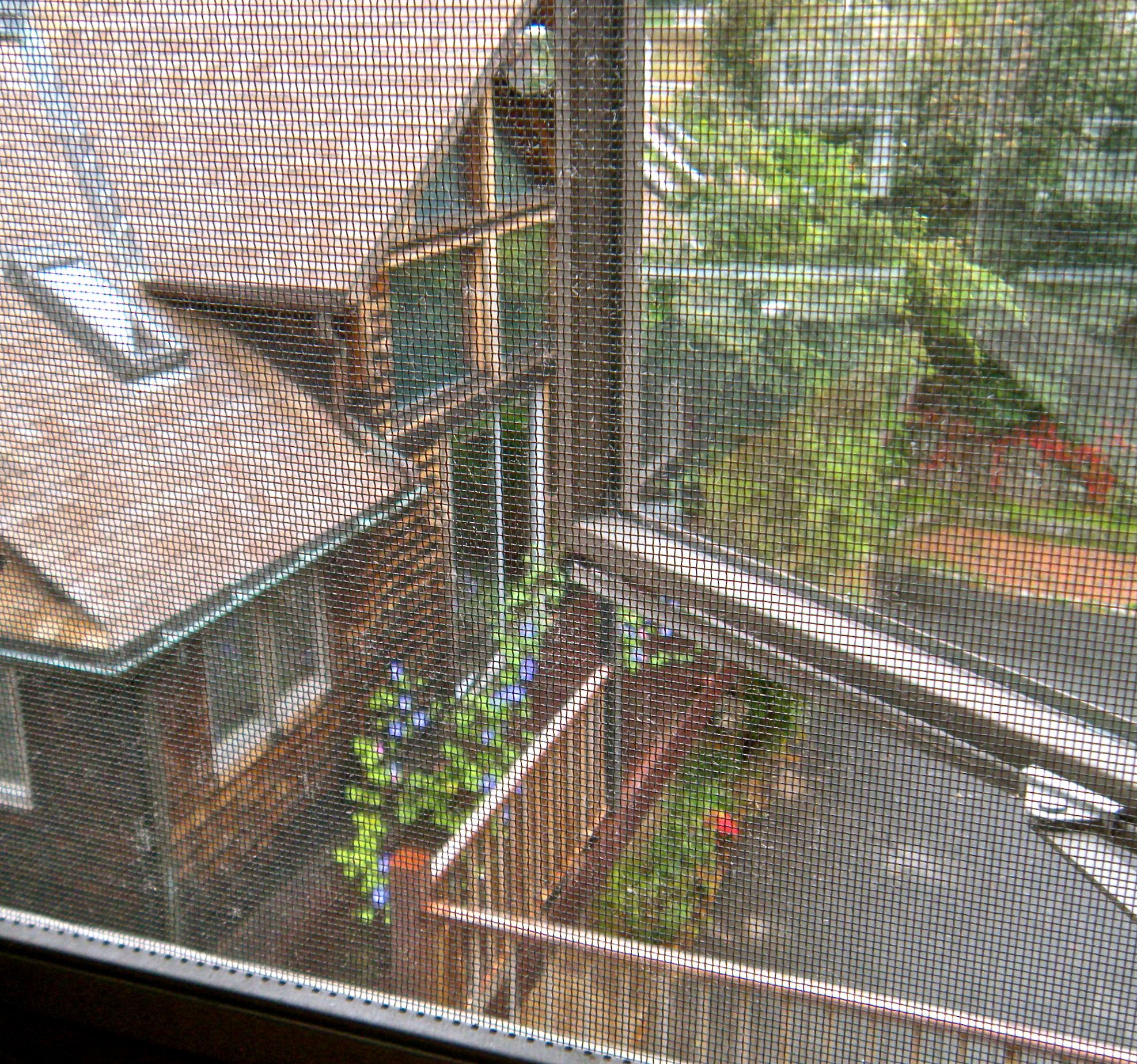
morning glories blooming in late Fall from our kitchen window. . .

morning glories blooming in late Fall from our kitchen window. . .

I also picked up kitchen herb plants to set up outside the back door on our third floor deck: flat-leaved parsley, chives, thyme, rosemary and a large basil plant. We’ll clear out the iron hibachi grill we have out there and this weekend, maybe we’ll grill some marinated baby back ribs for supper.

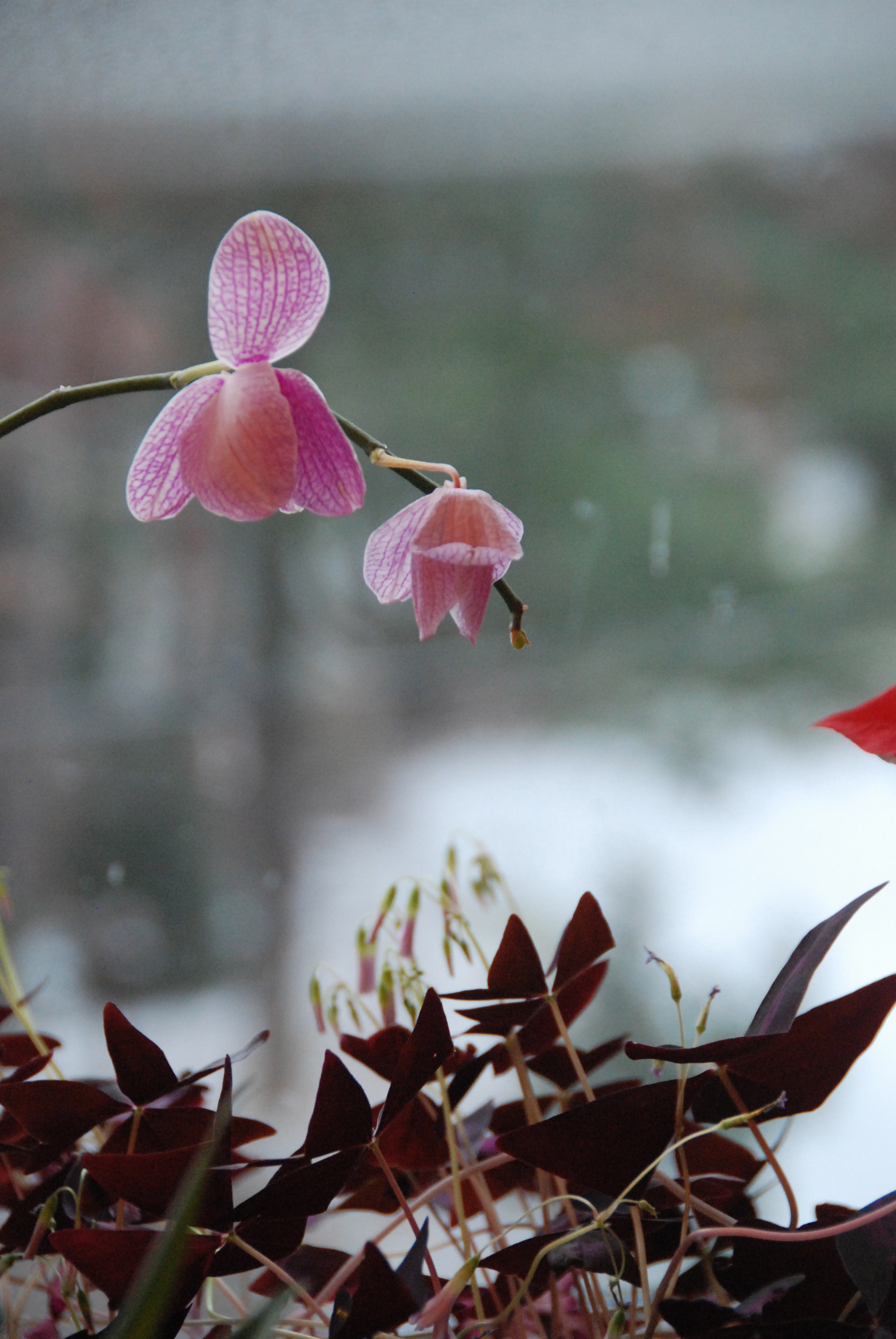
Up here, I filled two containers of water to tend the orchids on the shelf in the plant/bird room. It was easier to carry them in my lap using the wheelchair than trying to carry them using a crutch. There are about six flowering orchid plants right now, some needed propping up on stakes and I rearranged them so that there was more space for them to breathe.

Tonight, we’re having chicken wings, marinated in some teriyaki sauce that I’ll add some fresh garlic and sliced green onions to and broil them to golden crispy goodness. In the NYTimes food page last week, I read about a garlic crusher that allows you to push down on cloves of garlic that instantly crush them but hold them together so that you can scoop them out wherever you need them–in a pan or marinade. Some yellow squash and onions sauteed together will accompany the barbecue chicken wings. Yum!

So, in writing this post, I’ve circled around the idea of attitude, what affects it and mostly noticing that it can change often, even within a day’s time. What strikes me is that maintaining an upbeat attitude takes thought and intention. If you’re not paying attention, your attitude can dribble away and descend into nit-picking irritation. Since we’re all different, and we’re all human, I guess it’s up to us individually just what kind of attitude we want to have, think about how to hold it and maintain one’s equanimity when things get tough again.

I can tell you one thing: it’s a lot more fun to have a positive outlook than a negative one. Believe me, I’ve been there recently and I’m climbing out of the rut I’ve been in lately. Hope everyone around me also understands.


“new normal” . . .

DSC_0267Ever since I had a bad fall and broke my ankle in February, life changed quickly. For a few halcyon weeks, almost nothing mattered but being helped through surgery and recovery concerns.

Being transported up and down three flights of stairs required a band of brothers to help carry me in a chair like a palanquin, moving down one stair at a time. A heavy cast remained on my leg for weeks on end that made it hard to get a good night’s sleep.

Lying on the couch so that I could elevate my swollen foot higher than my heart was key to keeping edema from getting in the way of natural healing. Last Friday, I was told by my orthopedic surgeon that I could now put 100% of my weight on the injured foot–upped from 25% for the past four weeks. And instead of the heavily padded removeable boot, a slender tie-up splint was wrapped around my foot.

Honestly, I can’t get used to it. I’ve been favoring the injured leg for so long, being so cautious getting in and out of the shower, sitting while washing my hair and finally learning how to maneuver on crutches up and down the stairs instead of being carried to go out to the car to go on appointments or on occasion to go to the grocery store.

Now, there is a “new” normal to getting to really normal. I think it’s mostly psychological in that there seems to be a need for more confidence to enter my head before I go around walking on the favored foot without the benefit of my wheelchair, crutches and walker. You’d be surprised how much I’ve enjoyed wheeling around our place in situ. Now, I’m almost able to skip the crutches (sort of like skipping learning how to crawl for babies) and find my way around with little more than holding on to a walker or backs of chairs in the kitchen.

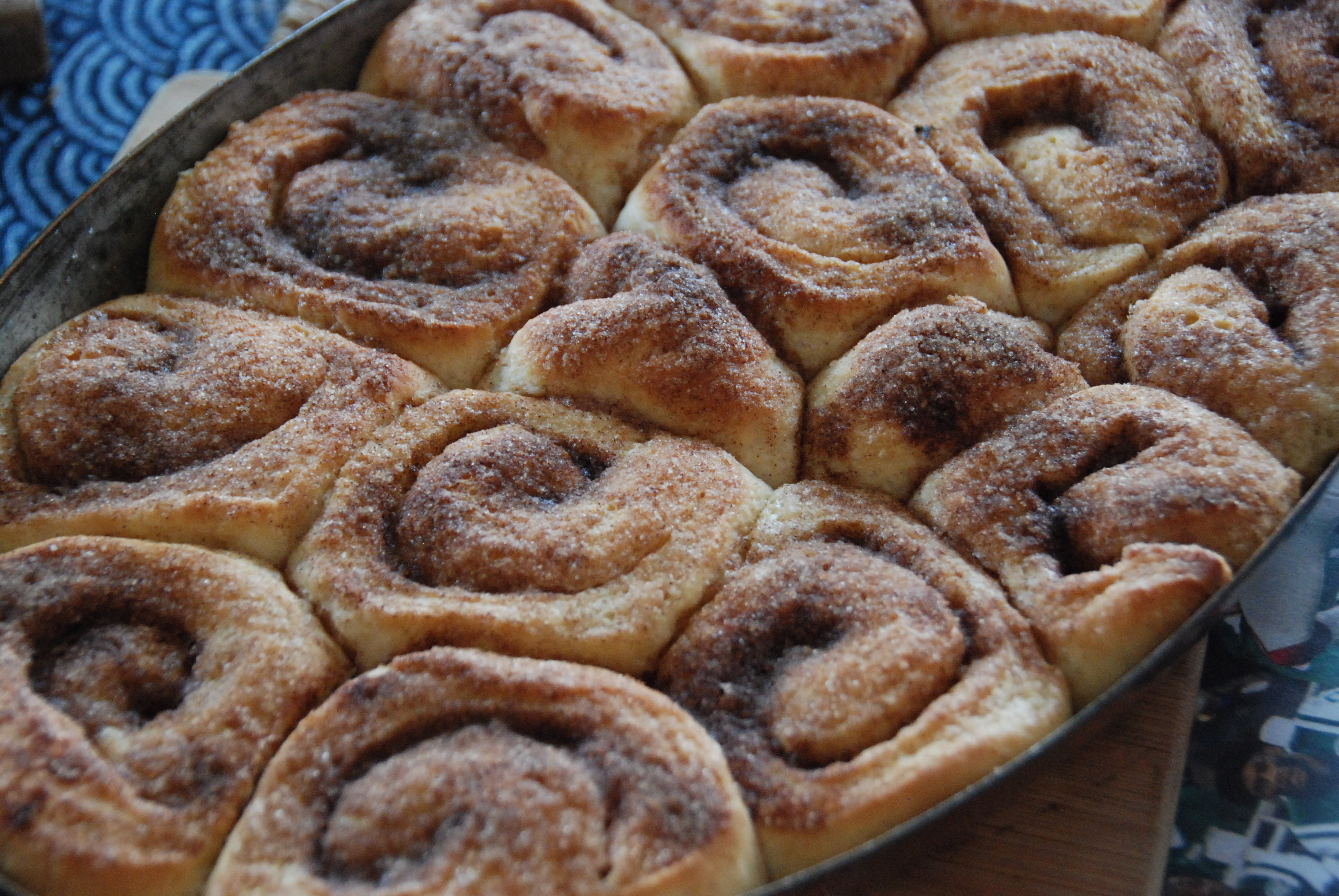
Today, my granddaughter, A. is coming for lunch! I am surprising her with homemade cinnamon rolls when she arrives, because they are her favorite and she hasn’t been able to be here on Christmas Day–which is when we usually eat them while opening presents. We will also be visiting my local jeweler who has put together a special gift for her graduation, scheduled for ten days from now. We are thrilled that she’ll be a freshman at Johns Hopkins University this Fall.

How times change.

And how a “new normal” can now include things that we never thought of before. I was thinking that we can also decide to exclude old bad habits and “have to’s” from entering a “new normal.”

Hey, maybe there’s no “normal” to worry about at all, come to think of it!

DSC_0333