mulberryshoots

"Tell me, what is it you plan to do with your one wild and precious life?" ~ Mary Oliver

Category: Food

annual crusade for chestnuts . . .

chestnut dressingRoasting chestnuts! Every November the crusade for chestnuts for the Thanksgiving turkey dressing begins. Through the years, these are the most important lessons I have learned the hard way and tweaked this year:

1) the chestnuts need to be fresh (this is not so obvious) because they dry out quickly at room temperature and also start to decay inside. That’s why it’s good to start 2-3 weeks before Thanksgiving week to work on these critters.
2) with a very sharp, strong paring knife, hold the chestnut with your hand cushioned with a folded dishtowel for protection; insert it at the top of the crown and insert the sharp point, draw the blade down to the bottom tip. Repeat on the other side all the way down. You now have slits cut into the flesh from crown to bottom. If your cuts are too shallow, you won’t break through the skin which is what you want to do in order to loosen the meat from the brown fuzzy skin inside the shell.
3) put prepared chestnuts in cold tap water and bring to a rolling boil on the stove
4) when it’s at a rolling boil, turn the heat off and let them sit in the hot water off the heat for 20 minutes
5) preheat the oven to 425 degrees
6) ladle out the boiled/soaked chestnuts onto a cookie sheet (some skins will already have split and you can see the chestnut meats peeping through.
7) bake/roast for about a half hour – the chestnut should be cooked through and creamy when you bite into it. If it’s hard, it’s not cooked enough – OR, you’ve overcooked it!
8) remove the roasted chestnuts from the oven and set on a heatpad; cover with a dish towel for 15 minutes to allow the chestnuts to steam a little longer while they cool.
9) even with this process, there will be about 10-20% spoilage in the chestnuts.DSCN8710

If you wait closer to Thanksgiving, the fresh chestnuts will have been sitting in the grocery store for 2-3 weeks before you cook them, dry out and increase the spoilage rate significantly. (I’ve found that it’s handy to keep the grocery sales slip in case the whole batch turns out to be inedible.)

So, start trying them out early (1st week in Nov.); slit, boil and roast them so that the skins can separate from the meats and there is minimal spoilage. FREEZE the harvested chestnut meats until you actually make the stuffing on Thanksgiving day.

BTW, I sometimes scrape out the chestnuts from skins when they’re stuck but not spoiled so that what’s remaining are powdery bits of roasted chestnuts. I have a batch of these in the freezer already. One year, I discovered that this stuff is like “chestnut golddust” because although you can’t see it, it adds flavor that the whole pieces of chestnuts can’t provide on their own. So, that’s a silver lining with chestnuts that don’t come out of the shell easily!

Now you know everything I have learned about this pesky chore (that’s the only word to describe it) but honestly, on Thanksgiving day, when you hear the quiet moans of delight coming from an otherwise silent table, you’ll know it was worth it. In fact, I feel like It’s worth it every time!
take-along-food ideas for a bus trip to NYC! . . .

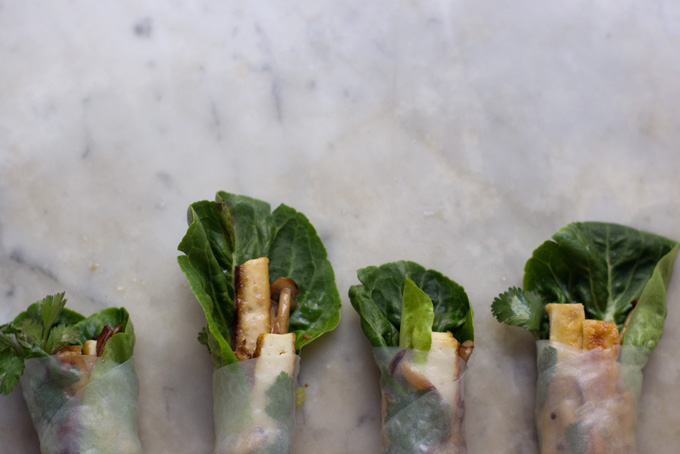
from "101 cookbooks" blog

from “101 cookbooks” blog

My daughter, C. and I have a bus trip planned to New York City in a couple of weeks. It’s a day trip to see “The King and I” musical production at the Vivien Beaumont Theatre in Lincoln Center. We’ve been looking forward to it for a long time – ever since it opened and won a Tony for the best revival music show on Broadway this year. We learned that Ken Watanabe who was also nominated for a Tony is no longer the leading man, but that Kelli O’Hara (who’s the REAL STAR) and a Tony winner for this show is still playing Anna. Hope to see her soon!

We don’t have a lot of time from when the show ends after 5 p.m. to make it to Port Authority and our return bus scheduled for 6 p.m. departure. So, we had to give up the idea of having a nice meal in a fancy New York restaurant before heading home. C. suggested that the smoked salmon (peppery and also maple-smoked) at Whole Foods might be a good idea to bring along since it would keep during our trip. That got us thinking about other things that might also travel well like rice balls and asian roll-ups.

Here are two ideas that Heidi Swanson posted on her blog – she’s a champion for healthy, light and interesting food recipes.

http://www.101cookbooks.com/archives/wintery-spring-rolls-recipe.html

http://www.101cookbooks.com/archives/sesame-almond-brown-rice-balls-recipe.html

What seemed like a hardship (no time for a NYC fancy meal) has turned into a delicious-sounding adventure! And that’s a good way to have it, isn’t it?

from "101 Cookbooks" blog

from “101 Cookbooks” blog


edamame hummus . . .

edamame hummus 1

For lunch, I made edamame hummus from a recipe I came across this morning. Instead of frozen edamame, I used packed fresh, shelled edamame from Trader Joe’s that I happened to have on hand in the fridge.

edamame hummus 3Followed the recipe except for adding a little more water, used a Meyer lemon and hand ground coriander seed in a mortar & pestle because I didn’t have any powdered on hand.

I processed it in my small red Cuisinart processor. It labored a little bit and I thought it might have come out more finely pureed in either a larger blender or in the Vitamix. But, after tasting it and adding a tad bit liquid (olive oil & water) the texture and consistency seemed fine. I also used twice as much fresh chopped parsley as the recipe called for which gave it brightness. (Next time I think I’ll try using the Vitamix to see the difference it might make from this “little processor that could”!) edamame hummus 2

We ate this edamame dip with spinach/kale chips (pricey but worth it!) and thin halves of flax/bran pita bread crisped up in the toaster. A small bowl of clam chowder from the soup kitchen at Shaw’s and we were happy with a light lunch sans any processed lunchmeats or bread. YAY!

Note: what wouldn’t look appetizing in the gorgeous shino bowl (1 of 2) that Megan gave us two Christmases ago? (Thanks Meg!)

brown rice . . .

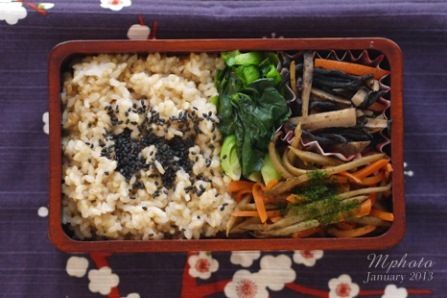
bento box 2

Earlier this week, I retrieved my German-made pressure cooker from the recesses of my pantry.

Read (in Buddhist cookbook, “Wake Up and Cook!”) about the composer John Cage’s ritual of gathering fresh spring water out in the wilds of New York State to use when cooking his brown rice in a pressure cooker with a spoonful of soy.

That also got me thinking about making rice balls with nori and other goodies in bento boxes or one bowl meals.

These photos were found at http://ameblo.jp/mliving/theme-10059458870.html. Thanks!

These photos were found at http://ameblo.jp/mliving/theme-10059458870.html. Thanks!

fasting . . .

DSC_0093_2

Want to take a break from eating (so much) food? Take a look at Joel Fuhrman’s book, “Fasting and Eating for Health”. With a little willpower and clean water, you can safely fast for as long as 21 days!

Lowers blood glucose levels to zero in 2 days and then ketosis (liver using up fat) kicks in and we start losing body fat. How bad can it be? Or to put it another way, how much benefit can there be for weight reduction, lowering blood glucose levels, rheumatoid arthritis, high cholesterol, even uterine fibroids? And we thought we’d have to keep taking synthetic medications promoted by doctors and pharmaceutical companies, the side effects of which are little known.

The East has taught that it’s not what you ADD to a condition that promotes health (like pills,) it’s taking AWAY what doesn’t work – in this case, it’s the constant churning food ingestion/digestion/elimination cycle that’s wearing us out everyday. And letting the body rest, cleanse and rejuvenate itself.

I think we’re game and this is the right time to try it out. Even fasting a couple of days a week is supposed to be helpful. Sure does save a lot of time planning, shopping for groceries, cooking and cleaning up afterwards. Think of all the time that’s saving too! HAHA!

Update: Sunday, October 25th – I’m on the third day of my water fast and feel grounded and energized! A big contrast to yesterday where Day 2 was the hardest.

Going for 4 days altogether and coming off fast on Tuesday, 27th (watermelon every 2 hours and butter lettuce; then some protein.)

Motivation and good news is that my blood sugar reading today is at 87, which is in the lower normal range – a level at which I have not been at since forever! It will be so much more productive to calibrate carbs/sugar from this new baseline. This is the first time that truly improving my health has been within reach. What a wonder fasting turns out to be!


jimmy carter’s favorite dinner again! . . .

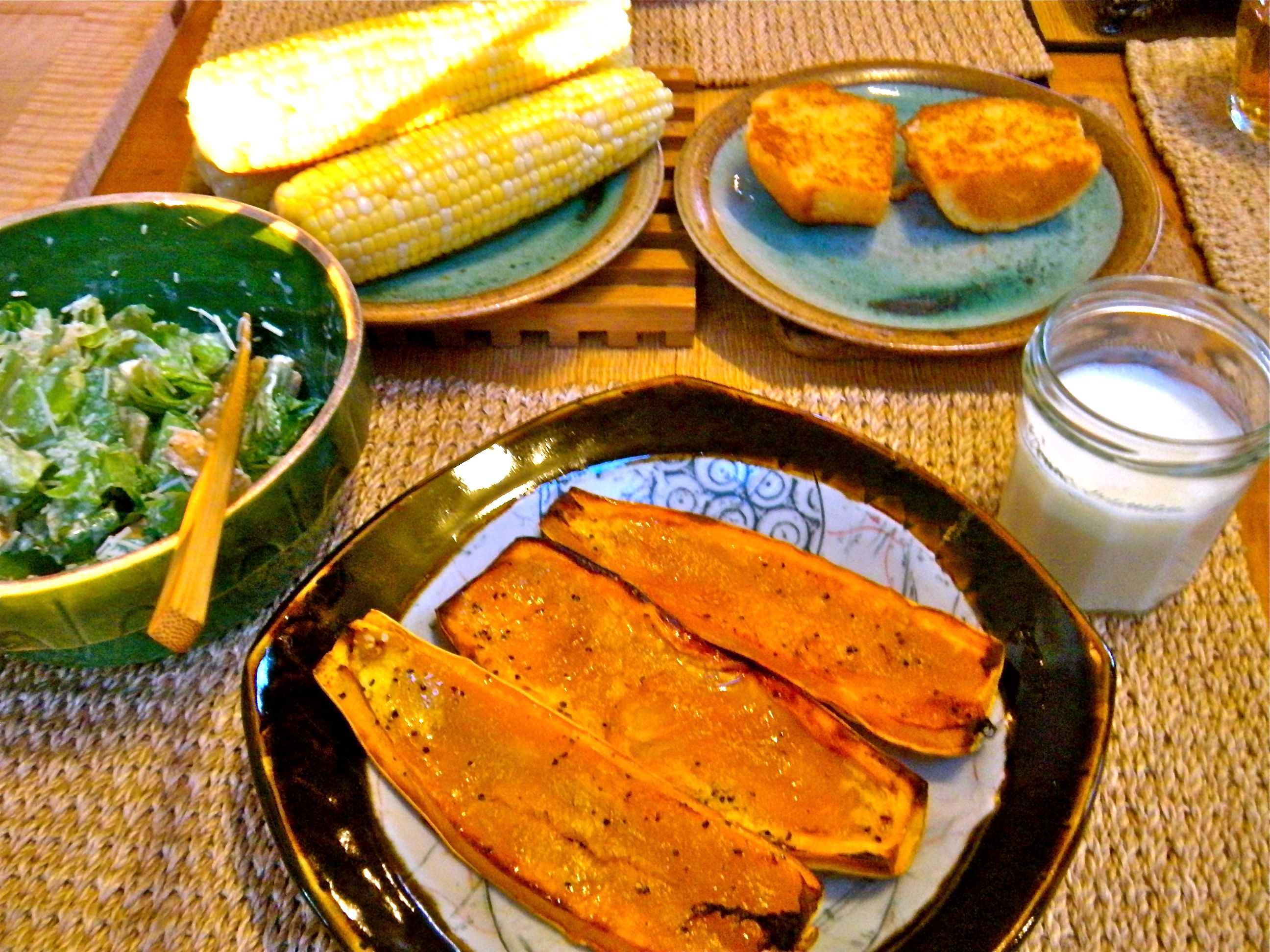
delicata squash with maple syrup, corn on the cob, corn muffin and caesar salad - buttermilk

delicata squash with maple syrup, corn on the cob, corn muffin and caesar salad – buttermilk

I wonder how Jimmy Carter is doing? He turned ninety-one recently while having radiation treatments for melanoma. Still had that radiant smile going though. I read once that his favorite meal at a Plains, Georgia diner was always the same: three vegetables, cornbread and a glass of buttermilk.

We’ve had a couple of these meals in his honor already, and for some reason, I thought it would be nice to have it again tonight. There’s a delicata squash roasting in the oven with a maple/butter glaze permeating our kitchen with a delicious fragrance. Fresh corn on the cob and a caesar salad with croutons. A heated corn muffin in the skillet and a chilled glass of buttermilk.

Here’s to Jimmy Carter’s health!


chinese chive dumplings! . . .

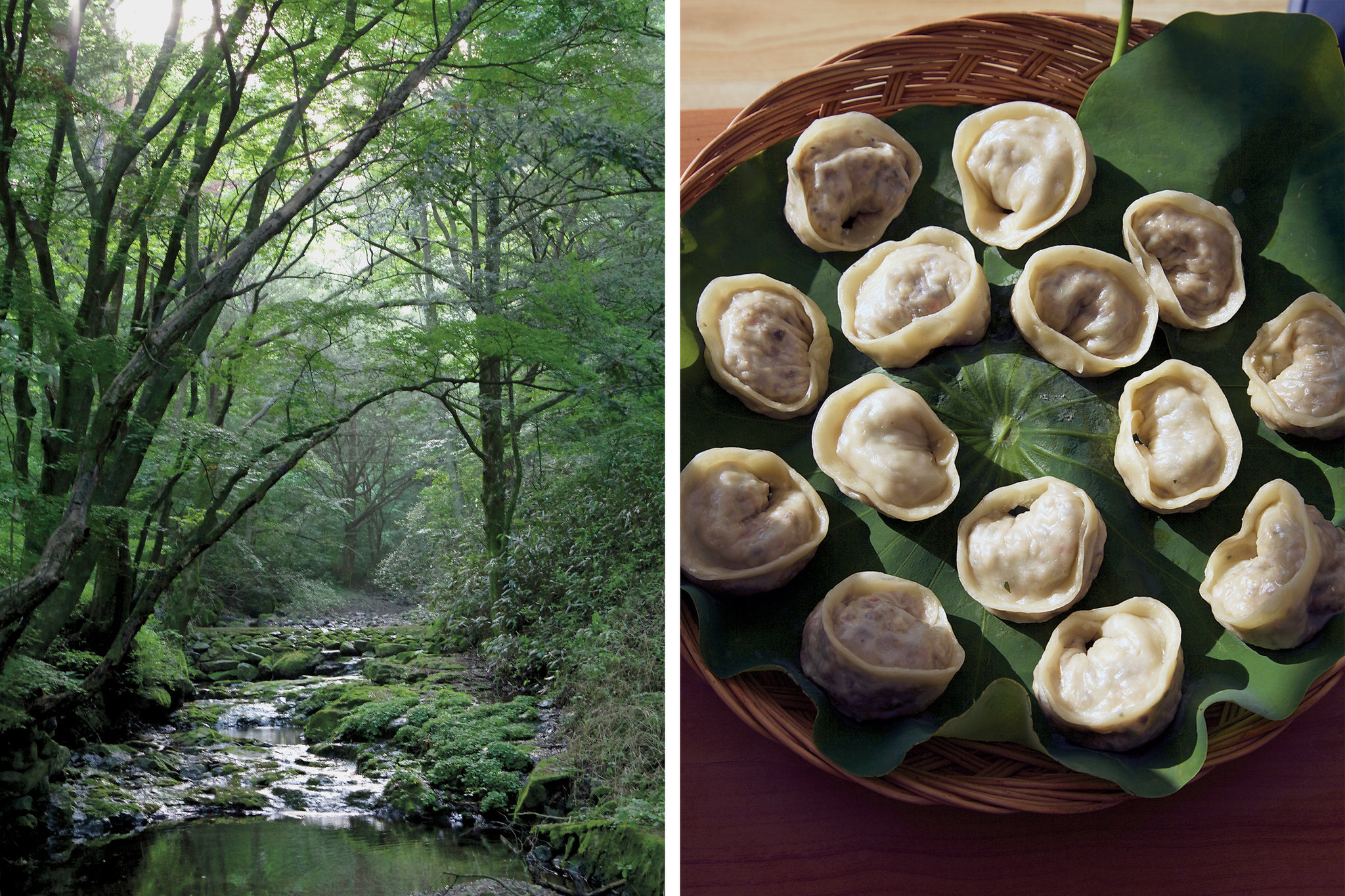
photos from NYTimes article on Jeong Kwan

photos from NYTimes article on Jeong Kwan

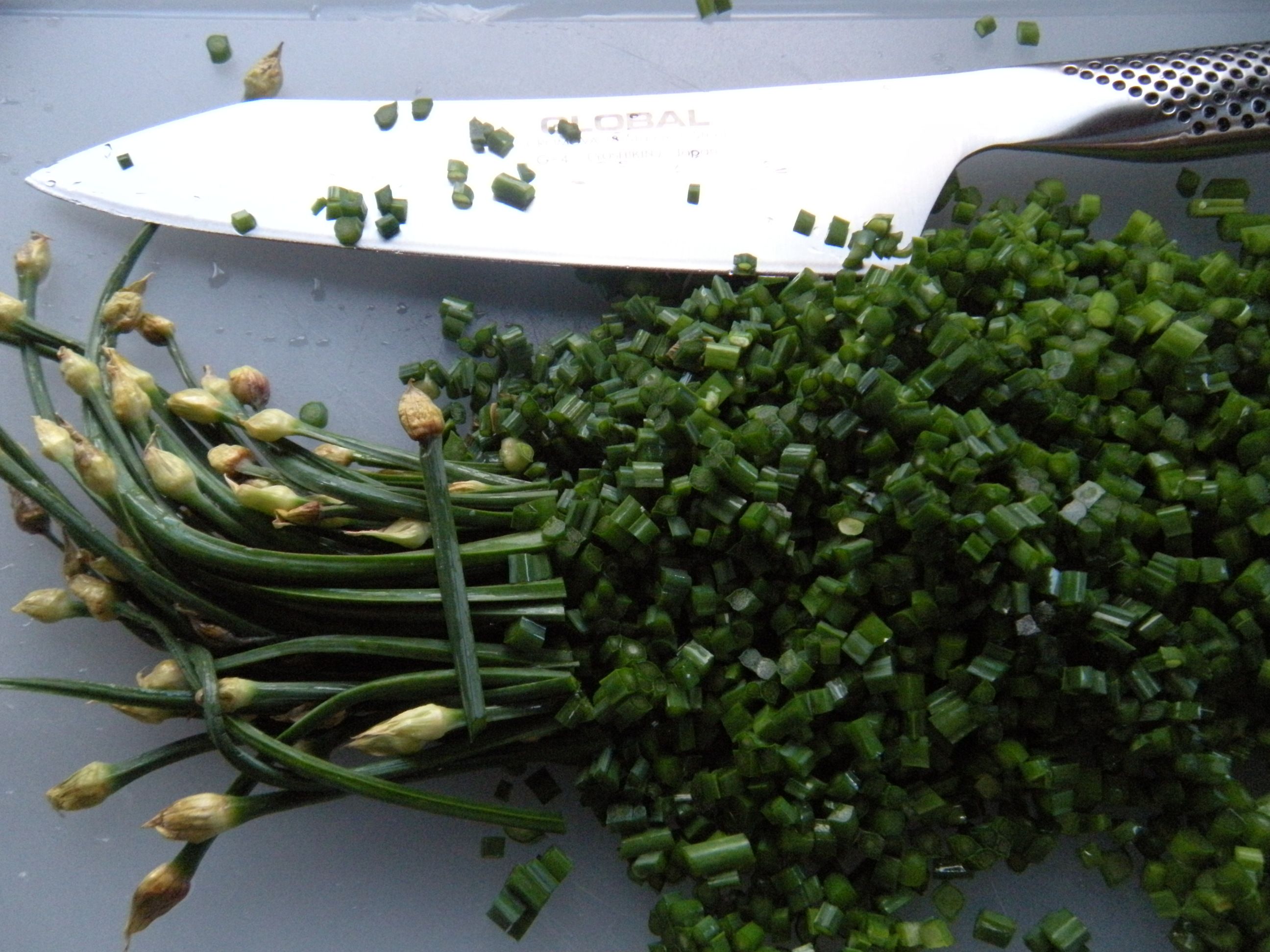
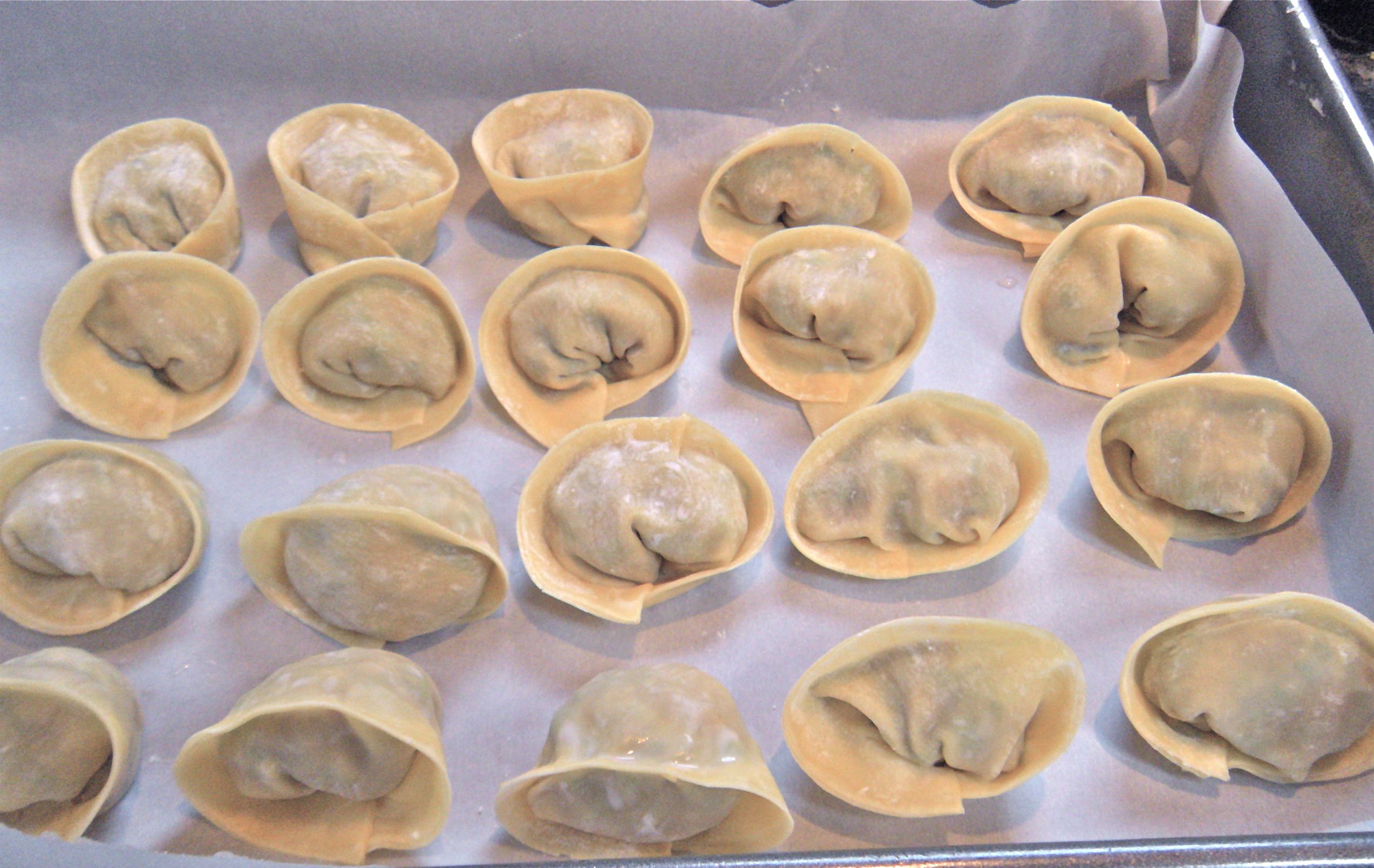
Took these photos of some Chinese chives this weekend while making food inspired by the top photo of South Korean Zen Buddhist nun’s folded dumplings on a lotus leaf!

chinese chives

chopped chinese chives

folded dumplings

folded dumplings

dumplings 2

dipping sauce . . .

dipping sauce . . .

last fresh corn on the cob! . . .

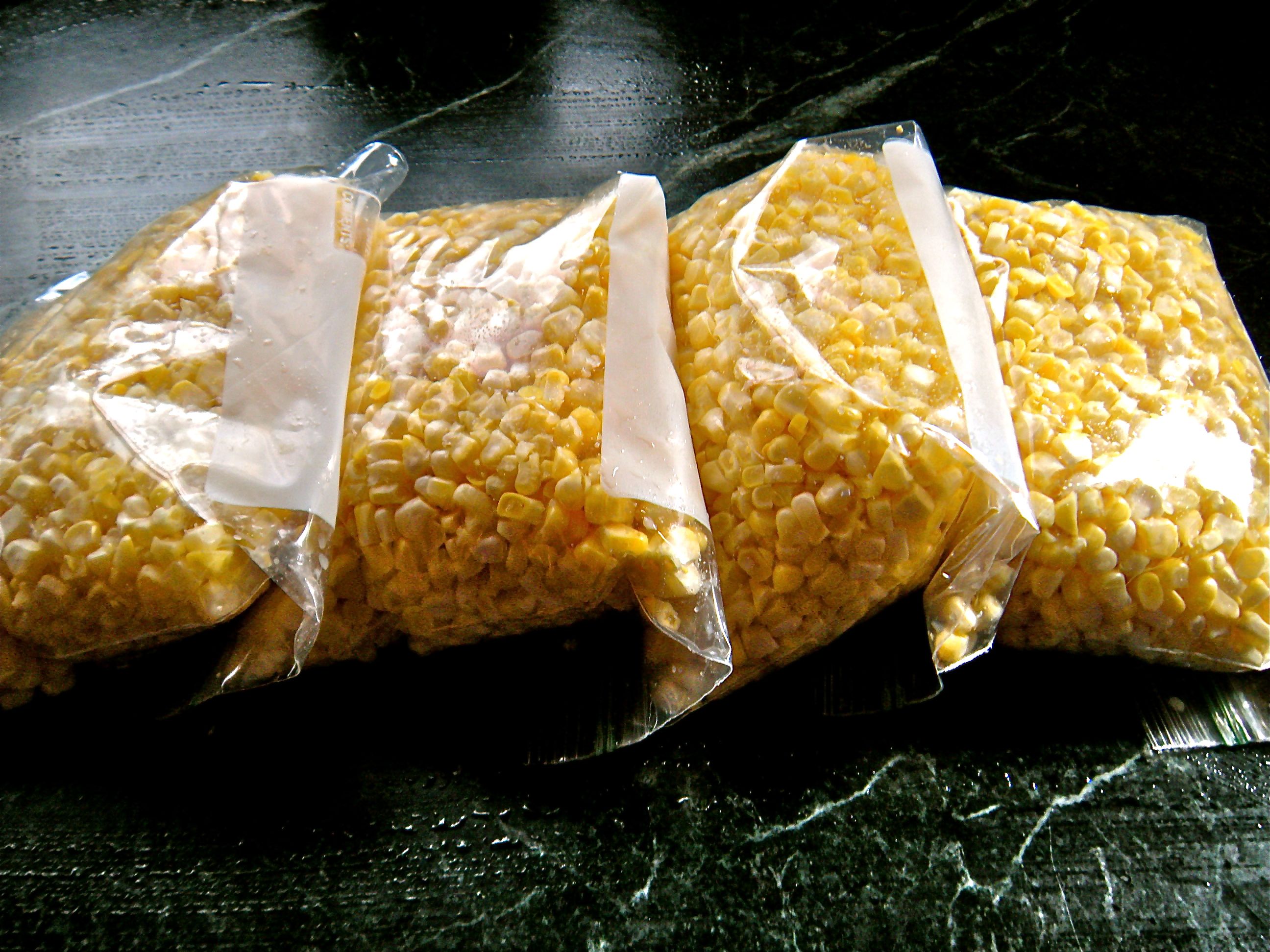
a dozen ears of corn, ready to freeze . . .

a dozen ears of corn, ready to freeze . . .

The other day, I was taken by surprise to find corn on the cob at a farmstand in Sterling, MA. I brought a few ears home for us to have for supper and to share some next door with G.’s mother and brother.

Taking the first bite the other night, G. said, “best corn EVER” and we’ve had quite a bit of it this late summer/fall season. Although the corn kernels were nothing to write home about and looked tough, they turned out to be very tender and very sweet besides. Luscious and such a treat in the middle of October!~

So, of course, hearing the weather forecast for a heavy frost coming this Monday, I had to go back out and buy some more corn to put up in the freezer to have when the snow flies. At the farmstand were issues of “an edible feast” – a local beautifully designed compendium of recipes, articles and advertisements placed by locally sourced providers of handmade food from groceries and in restaurants.

One of the reasons I went back for more fresh corn was that the articles/recipes in the magazine sounded so appealing for a holiday meal – either at Thanksgiving or Christmas. Here’s one in all its simplicity:

Corn clam chowder

  1. fry 2-3 slices of good bacon; drain and hold bacon aside for later.
  2. in bacon fat, brown chopped vidalia onion and a couple cloves of smashed/chopped garlic – drain fat if needed; add a tablespoon or two of flour and blend it in (this will thicken the soup later)
  3. Cut up 4-5 very small Yukon potatoes and add to the soup
  4. add homemade corn broth/stock (!) along with some rich chicken stock
  5. add 1 packet of corn kernels (from about 3 cobs)
  6. simmer gently
  7. add half a dozen scrubbed littleneck clams; cook until they open
  8. taste soup for seasoning and add salt/pepper
  9. add a little cream if desired and stir soup; serve with crumbled bacon and chopped fresh parsley on top

I haven’t tried this recipe as yet but it sounds straightforward enough. So, I decided to take another ride in the country to buy another batch of late corn on the cob.

Since it’s Saturday, I wanted to process the ears of corn before they spoiled, stored out in the pantry. Thankfully, G. arrived home from tuning a couple of pianos and he set to de-silking the ears of corn that I was shucking. It’s a tedious and time-consuming job to de-silk corn. Anyhow, we decided to do it by hand and not to rinse the ears under water to remove the silk since I planned to put up freezer packs of 3 ears of corn apiece and didn’t want any water mixed in with the corn kernels.corn cob stock

Halfway through, I remembered the recipes in the magazine that called for making a stock from the shorn corn cobs which still contained the milky flavor of the corn. Into a stockpot went all the cobs to simmer for an hour under low heat. Will store this corn ‘stock’ in the freezer along with the corn to make cream of corn soup or other recipes later on when the spirit moves me.

This might seem like a lot of effort to go to for fresh corn on the cob. But if you enjoy this summer bounty as much as we do, you’ll agree that it’ll be super tasty to have corn pudding or a corn chowder on the dinner table when there’s snow on the ground!


‘let nature take care of it’ . . .

. . . a symbol of longevity*

. . . a symbol of longevity*

This morning, I read about a nun in South Korea who cooks food that is temple food, vegan and devoid of garlic and onion. Apparently, she has been discovered by the gastronomic world and visited by chefs from all over who gather to learn her secrets. She cooks for herself and two other nuns. Sometimes for monks and visitors.

The sophistication of her cooking and its Zen simplicity is described in a lengthy article in the New York Times today. To me, the wisdom imparted by her phrase, “let nature take care of it,” in commenting about whether wild animals mess up her garden or whether things grow in orderly fashion represents the philosophical core of her way of life.

Even when we want to step back and let things work out on their own, we find ourselves fiddling around to control outcomes or to influence people to do what we want. It’s not only the American way, it’s the human way. It’s hard for us to “let nature take care of it.” But, it seems to me to make the most sense, as hard as it is to let that happen.

We don’t have to try so hard to figure out what the right thing is to do or not do. We don’t have to ease others if they don’t want to be eased. And we don’t have to try to change the outcome of our lives when we reach a certain age because we would like it to be different. It is what it is. And today at least and maybe a bit longer, I’ll let ‘nature take care of the rest.’

Here’s a link to this interesting article.

spinach souffle galore! . . .

spinach souffle 1There’s been some fresh spinach in the fridge waiting its turn to make it to the dinner table. So this afternoon, I washed it and took the stems off. Dried it and finely chopped up a large shallot. Into some butter in a hot skillet, the shallot and spinach cooked until the greens were wilted. Minced it up and let it cool.

Then made the bechamel sauce for the cheese part of the souffle:

  1. Melted 3 tablespoons of unsalted butter
  2. Added 2 1/2 tablespoons of flour and blended it into the butter with a fork
  3. Heated up a cup of whole milk until bubbles appeared and slowly added the scalded milk into the roux
  4. Mixed in 1/2 cup of shredded cheddar cheese and 1/4 cup of shredded romano cheese and stir well; let cool before adding egg yolks.
  5. Added 5 egg yolks, one at a time and mixed well
  6. Stir in finely chopped cooked spinach mixture creating a creamy spinach-cheese bechamel sauce. Let this cool to room temperature before beating the egg whites and folding them in.
  7. Preheat oven to 400 degrees at least an half an hour before dinner time.
  8. Meanwhile with an electric mixer, beat 5 egg whites until stiff
  9. In 4 increments, gently fold in the stiff egg whites into the spinach mixture folding them in with a gentle down, up-and-over movement of a rubber spatula.
  10. When all the egg whites are incorporated, add a little salt and stir gently.
  11. In a prepared souffle dish (buttered and sprinkled with grated cheese), carefully add the spinach cheese souffle mixture.
  12. Before putting it in the oven, turn it down to 375 degrees and run a sharp knife in a circle around the top of the souffle mixture. This will allow the top to rise higher than the rest like a chef’s toque (see photo above.)
  13. Place the souffle in the middle of the oven set at 375 degrees and leave it in for 35 minutes. Keep the oven door shut the whole time and peer through the glass front with the oven light on if you want to see how it’s doing in there.
  14. When the souffle has risen, turn the oven off and open the door but leave the souffle there to rest for a few minutes.
  15. When everyone is seated at the table and ready to eat, move the souffle to the table on a hotpad. Slice the top of the souffle with a serrated knife (like serving a pie wedge) and gently scoop out the souffle on to dinner plates. The idea is to treat the souffle very gently while serving in order not to cause it to fall anymore than it has to.                                                                                                             I’ve made souffles before but this one turned out to be the most gorgeous one perhaps due to the graceful fluted porcelain baking dish that I used for the first time. It tasted pretty good too! Bon Appetit!