mulberryshoots

"Tell me, what is it you plan to do with your one wild and precious life?" ~ Mary Oliver

Category: Life & Spirit

“scorpion” . . .

Emperor_scorpion_or_Imperial_scorpion_(Pandinus_imperator)
Do you have any friends or someone in your family that you wish you were closer to? A sibling or parent? With a long checkered history of not getting along very well, misunderstandings or competition, at least from someone’s point of view? This may be true for a daughter or a son, an uncle, or a friendship that’s gone off the rails a couple of times.

I’m probably more optimistic than most, reaching out and hoping that this time will be different (or better) all right. Then, something happens, some words spoken in the heat of the moment, an email with a nasty twist and suddenly you feel like that Tarot card, the Ten of Swords. You know the one–the soldier is lying in a pool of blood with ten swords stuck at various angles into his back.
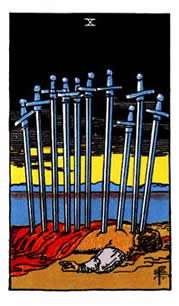
10ofswords
These Ten of Swords hits come along once in a while, maybe even years apart but they are unmistakeable when they occur. It feels like a swift blow to the heart and one is left breathless with the depth of pain that comes suddenly out of the blue. If you’re lucky, you’ll have fewer than the fingers on one hand to chalk up during your lifetime; but if you’re unlucky, there might be more.

Well, this happened to me last night and it caught me unawares because I thought things had been going along rather well with this particular person for quite awhile. Because it was so unexpected, I had to re-read the email a couple of times, close my laptop and stop myself from feeling hurt and furious at the same time.

Instead of obsessing over it (OCD, remember?) and machinating about it all night, I decided to do something different for once. Since there’s nothing that can be done to change the past, why waste time feeling bad about what can’t be altered? I mean, if I felt bad about things THEN, why torture myself with feeling bad about them again NOW??? IF ONLY. Well, there’s no “if only.” It was what it was. And now, it is what it is. That’s all.

Instead of ruining my night, I figured out how to get over it firmly and quickly, without having to escalate it into a confrontation or to ignore it completely. How?

By remembering the Aesop’s Fable about the Scorpion and the Frog. The ever-optimistic frog believes the Scorpion when he promises that he won’t sting the frog if only the frog will agree to carry the scorpion on his back across the pond. The Scorpion stings him anyway, halfway across, paralyzing the frog and when asked “why?” the Scorpion replies, “because that’s who I am.” And that’s exactly, EXACTLY the case here! This person is a scorpion, just being who they are, not being able to go against their character. It could not be otherwise for them to act as they do. So, why take it personally?

There is no point in spending a whit more whiff of energy feeling bad, wondering why, trying to figure out whether to reply or to ignore it, feeling like a fool for having reached out to them before. All that is GONE, baby, GONE.

They are the scorpion. Just being who they are. End of story.

What a relief!

Postscript: I came upon this and thought it appropriate to add to this post:
Nelson Mandela was asked why he wasn’t more angry. And his reply was: “I would be if I thought it might help.”

[Scorpion photo credit: By Mike Baird [CC-BY-2.0 (http://creativecommons.org/licenses/by/2.0)%5D, via Wikimedia Commons]
Ten of Swords card image from Rider-Waite Tarot Card Deck

providence . . .

Lotus flower
Something happened today that reminded me how providence is sometimes the only thing that accounts for things happening the way that they do. I had a couple of errands this afternoon, dropping off a package at the UPS station in the Staples store; picking up a few groceries, then coming home. As I climbed the stairs to our place on the third floor of the Queen Anne Victorian house that also serves as G.’s piano shop, I looked in the mirror as I was washing my hands and noticed for the first time that my necklace with two ancient jade charms, a hand and a monkey holding a peach were gone. They were tiny pieces and I wore them along with a second necklace on another chain, small diamond from a ring that G. had given me when we were first betrothed.

I took off the diamond necklace right away when I noticed the jade pieces were missing because I was wary of losing it also, although that wasn’t very logical. I remembered taking off the gold necklace with the jade pieces around lunch time because they were getting tangled up. I straightened them out and then fastened the necklace with the jade pieces on again. Now, it occurred to me that I must not have secured it properly and had somehow lost the jade pieces somewhere along where I had done my errands.

Why was this happening to me, I thought with some consternation as I put my sandals back on. I ruminated about why this had happened and what it meant as I got back in the car. My heart was heavy as I called the Stop and Shop Customer Service, then went back to the UPS station at Staples where the guy, Jake, offered to take my name down in case the necklace showed up. Then, back to the grocery store, retracing my steps where I had stopped to look at white peaches, a few small Yukon potatoes, a box of rice chex, some Pillsbury pie crusts, a box of Magnum small almond ice cream bars. I even looked inside the shelf with the grocery freezer door open. I looked on the ground around the parking spaces outside the grocery store. And then back again along our driveway and steps where I had unpacked the groceries.

Hopefully, I pulled out the leather sofa cushions thinking that maybe the necklace had come apart before I had gone out and slipped under something here at home. But no luck. I was crestfallen and feeling both embarrassed and upset. I considered whether to confess to G. what had happened because I didn’t want to tell him about this loss. It made me remember a jade and pearl ring I had lost as a child that my grandmother had given me too. G. said of course I had to tell him so that he could keep an eye out to find the pieces too.

After dinner, we got a phone call from my daughter M., who lives in Minneapolis, who suggested that we skype with her and her family. We had fun holding up our fruit (J.’s strawberries and our Rainier cherries) to the camera and then eating them at the same time. Afterwards, G., who had gone downstairs to change his shoes, held out his hand to hold mine and clasped it. When he let go, there was a tiny jade monkey holding a peach! I jumped up and asked him where he found it–and where was the jade hand? It was on the table where he had put it. He said that when he looked outdoors in the twilight, he could see the two jade pieces in the driveway where I had off-loaded the groceries. No gold chain in sight. G. thought maybe the glitter of the metal might have attracted a bird to abscond with it and fly somewhere with it.

I have to say, I couldn’t believe that G. had found the two jade charms in our driveway. In the midst of my desperate hour-long search, re-tracing my steps to look for them, I had asked for help from the Helpers, Cosmic reinforcement that generates much more help than mere mortals are capable of. I guess it worked. Or if you don’t believe in that stuff, I’d like for you to explain to me how providence brought these two ancient jade pieces back to me after I thought they were lost forever.

So, I am still wondering what the lesson is for losing these charms and then finding them again. Providence means “divine guidance or care.” I think this lost-and-found happening today was a very strong reminder that I’m not in charge, necessarily, and to be careful to remember and respect that. Point taken. Thanks also to the Helpers and to G. for taking care of me by finding my necklace. Or almost all of it.
jade for post

no more, no more! . . .

DSC_0345_2Have you ever been mad at your parents? Either for things that they did or things that they never did for you? I feel that we live in an entitled culture (that is, in the U.S. of A.) that demands so much that we want, feel entitled to and crave from our families, from our upbringing and from our past.

But wait! Wait until you pick up this book I’ve been reading, called “The Glass Castle” (published in 2005) by Jeannette Walls. A feature article about Ms. Walls and her mother, Rosemary, appeared in last Sunday’s New York Times Magazine. There’s a photo of Jeannette, sitting on a couch in a disheveled room with her mother, Rosemary, who is slightly unkempt. Turns out Rosemary lives in this outer house by herself because that’s the way she likes it and also because there’s no other way, apparently.

I just returned from taking the book out at our local library and have read a bunch of it. It’s the best panacea for self-pity that I’ve ever come across. If you have a hard time appreciating what any of us has and bemoan what we wish we had, including love from our parents, or at least from parents who tried hard, or tried at all, then try reading this book. Honestly, some of the things that happen over and over again will make your hair stand on end. What’s truly amazing is the way they still hang together, for a very long time.

It’s a morality play almost, because somehow Jeannette, the author, managed to get through school, into Barnard College and began writing well enough to work for MSNBC. The amazing thing is that she didn’t turn her back on her folks, not then and not now. I don’t think the word, “forgiveness” really even applies here. Judgment is what’s lacking and believe me, there’s tons of situations just ripe for the “J” word.

So, if you decide to get a copy of this book, look up and around you after you’ve read a few pages: you will be so happy to have a place to sit and to be able to read a book. You will be thankful for what your loved ones put up with you and your quirks and foibles even when you don’t know if they really “get” you.

After reading this account about their family, I feel like saying, “no more, no more” to nit-picking our past, our parents and ourselves. It’s such a relief to feel glad and not mad anymore. . . that’s how I felt anyhow. That’s why reading is still an important thing to do in this day of accelerating technology. At least, books like this.

bucket list . . .

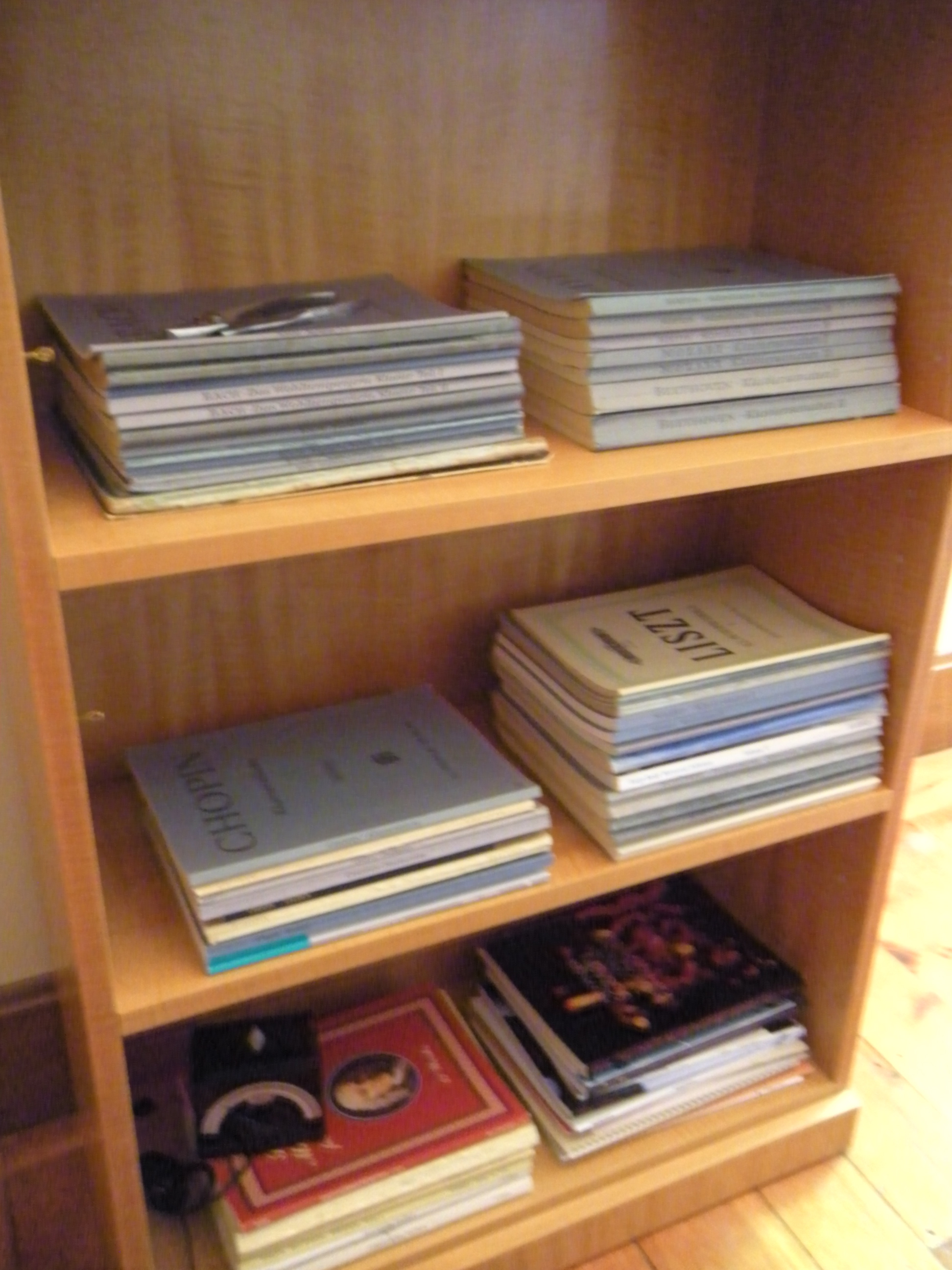
piano music library

piano music library

I guess this term was coined along with Jack Nicholson and Morgan Freeman’s movie called “The Bucket List,” which dramatized what they really wanted to experience before they kicked the bucket (aka “die”.) Since then, it’s been used a lot in different contexts and I noticed today in the newspaper that a sister graduating from college, delighted by her soldier brother’s surprise appearance said that she wanted to make a “bucket list” with him before he returns to duty in a couple of weeks.

So, making a list like this is not just for the elderly or even the middle-aged these days. For me, when I think about it, it’s not filled with things like “win the lottery” or “travel around the world” or even, “go to Hawaii.” It also wouldn’t include “buy a Corvette” or “own a sailboat.”

One of the things that was always on my bucket list (even before the phrase was coined) was a beautiful ebony Steinway grand piano. While I was a young mother, working two jobs in NYC and taking care of two infants, nothing was further from my mind, although I did manage to buy a brown baby grand piano, a “McPhail” piano that had a bright tone and a light action. That was the first piano I owned since I left home, leaving behind a well-worn Cable-Nelson spinet piano that I grew up with. So you can see why a Steinway ebony grand piano was truly out of reach for me at the time.

Fast forward to trading in the McPhail piano to a building contractor who put in the foundation for our greenhouse in Lexington when we renovated the house where the kids grew up. Eventually, I bought a Steinway, model A piano (reconditioned but not refinished) which I played and my daughter M. practiced on for many years, playing a Bach French Suite as musically as any pianist I’ve ever heard when she was in junior high school. The girls used to read and lie under the piano with our dog, Bridget, when I practiced. They still recall chamber music parties where a string quartet played Mozart in the family room while a piano trio read through Beethoven’s “Archduke” trio in the living room with the doors shut in between. Sometimes we would combine forces and play piano quintets, such as Schubert’s “Trout Quintet” and when we had a lot of players, we’d end up playing Mendelssohn’s Octet. It was so much fun for all concerned, players and listeners alike, not to mention the potluck food we feasted on afterwards with a few bottles of wine.

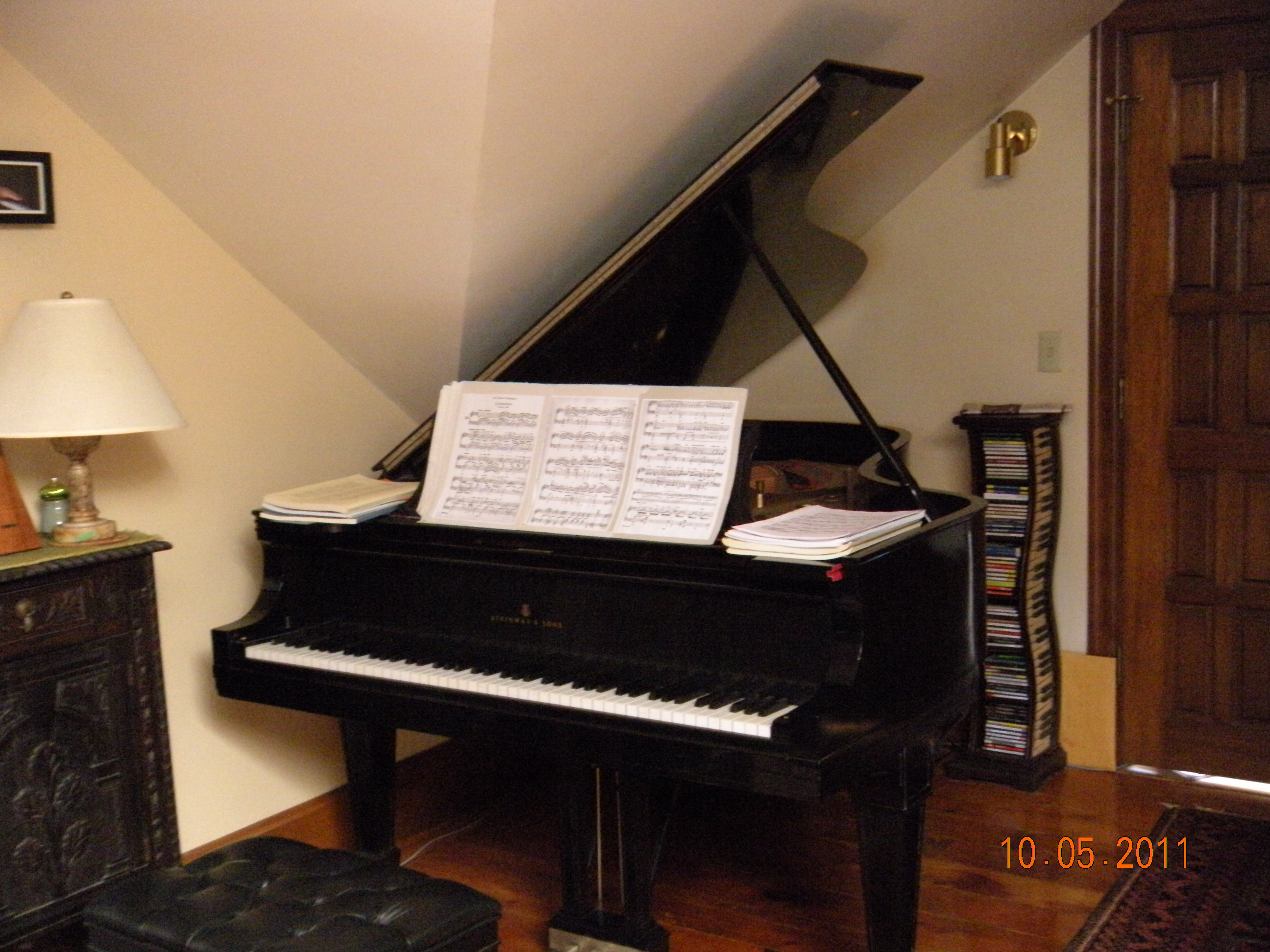
Fast forward some more to after the kids left home and I moved to where I live now. I traded in the Steinway “A’ for a Steinway “B” when I met my second husband, G. who rebuilt it. We named it “Victor” after the musician who had owned it previously. It has been and continues to be one of the finer instruments that have come through the shop. It used to be downstairs on the first floor where predictably, piano customers would happen upon it and want to buy it. So we hoisted it up to the third floor where we live, coming through the house from the outside deck. It sits in an alcove that enhances its sound without echoes.

"Victor" in the alcove

“Victor” in the alcove


So, you see, I’ve already got the best part of a bucket list I might have held secret. What I’ve been thinking about more recently, is repertoire or pieces I would like to learn as part of a “to-do” bucket list. They include Scarlatti sonatas (about two dozen of them), Bach Goldberg Variations, Rachmaninoff Preludes, some Scriabin and Chopin Etudes. Like that.

Still on the list is to write a women’s novel that will eventually become a classic (that part is out of my control but writing it first might help.) I’ve been working on shaping ideas into a plot for a long time. Recently, a new setting for the story has occurred to me that has renewed my optimism about getting back to work on it.

So, studying a challenging piano repertoire and writing a book I’ve been thinking about for a long time probably sound like a pretty boring bucket list to most folks. At least it doesn’t require loads of money to bring to fruition. It just requires self-discipline, dedication, creativity and time. That’s all, right?

What’s on your bucket list?

clara and arthur . . .

Xmas 2005-Spring 2006 583_2_2As some of you know, I’m a pianist and also slightly OCD (obsessive compulsive disorder) when I come across a pianist that I haven’t listened to before but love their way of playing. One of the ones I wrote about before was Paul Lewis, an English pianist whose Schubert and Beethoven recordings are beautifully musical and sensitively played. His recording of the Beethoven Rondo from Opus 4 in E-flat major is one of my favorites and I’ve started to study it myself recently.

Another pianist I came across the other day while searching for renditions of Scarlatti on I-tunes is Clara Haskil. Many contemporary pianists play Scarlatti as though they were finger exercises, rushing up and down the keyboard as though the metronome and speed were what they were aiming for rather than making music. They either play too fast or take too much liberty with rubato that drives me crazy when I listen to them.

So, when I happened upon Clara Haskil’s Scarlatti recordings, I stopped and savored listening to them because they are so musical, the tempi reasonable and most of all, the melodies were so beautiful. So I looked her up on Wiki (where else?) and found she lived in the last mid-century, born in Romania and of Swiss origins. She won a Premier first in piano at the age of fifteen and she also won a Premier first in violin at the same time! Beset by physical problems and living in poverty (Wiki says) she nevertheless performed with many of the premier musicians of the time: Pablo Casals, the conductor Ernest Ansermet and most of all, as a pianist playing with the French violinist, Arthur Grumiaux.

At first, I was tempted to purchase a 10 Scarlatti sonata recording by Clara Haskil for $9.99 on I-tunes. But on further exploration, I discovered a compendium of recordings by her for only $11.99 that included the Scarlatti sonatas. Imagine my astonishment when I scrolled down to see that there were 105 (one-hundred-five) tracks on this single recording! A click and a download quickly filled my I-tunes library with concerti recordings, Bach Busoni numbers, Beethoven and the lode of Scarlatti. I listened to it while I made some maple oatmeal scones this morning.

maple oatmeal scones

maple oatmeal scones

So, why is this post also about Arthur Grumiaux? Apparently, even though Clara was about twenty years older than Arthur, they had a very close musical partnership. One of the most touching and humorous observations about their relationship was that Grumiaux, the violinist, was also a fine pianist. So the two of them would sometimes swap instruments and play each other’s parts when they rehearsed together! I thought this was so charming and such a rarity of musicianship at their level that I wanted to write about it in this post.

Sadly, Clara died at the age of sixty-five as a result of a fall that she suffered at the Brussels train station on her way to a concert that she and Arthur Grumiaux were scheduled to play together the next day. Apparently, her death was a huge and personal loss for him when she died. Although he had diabetes, he continued to concertize and died almost twenty years later from a stroke when he was sixty-five.

So, there you have a story about Clara and Arthur. Her recordings are playing in the background while I read and cook. And their story serves as such a tender example of human relationship and music making, at least for me. (Sigh.)

Postscript: If you would like to read a personal essay about Clara Haskill published in the journal, “Clavier,” please click here.

in the gloaming . . .

lavender wisteria by the barn

lavender wisteria by the barn

clematis and wisteria in front of the house

white wisteria and clematis in front of the house


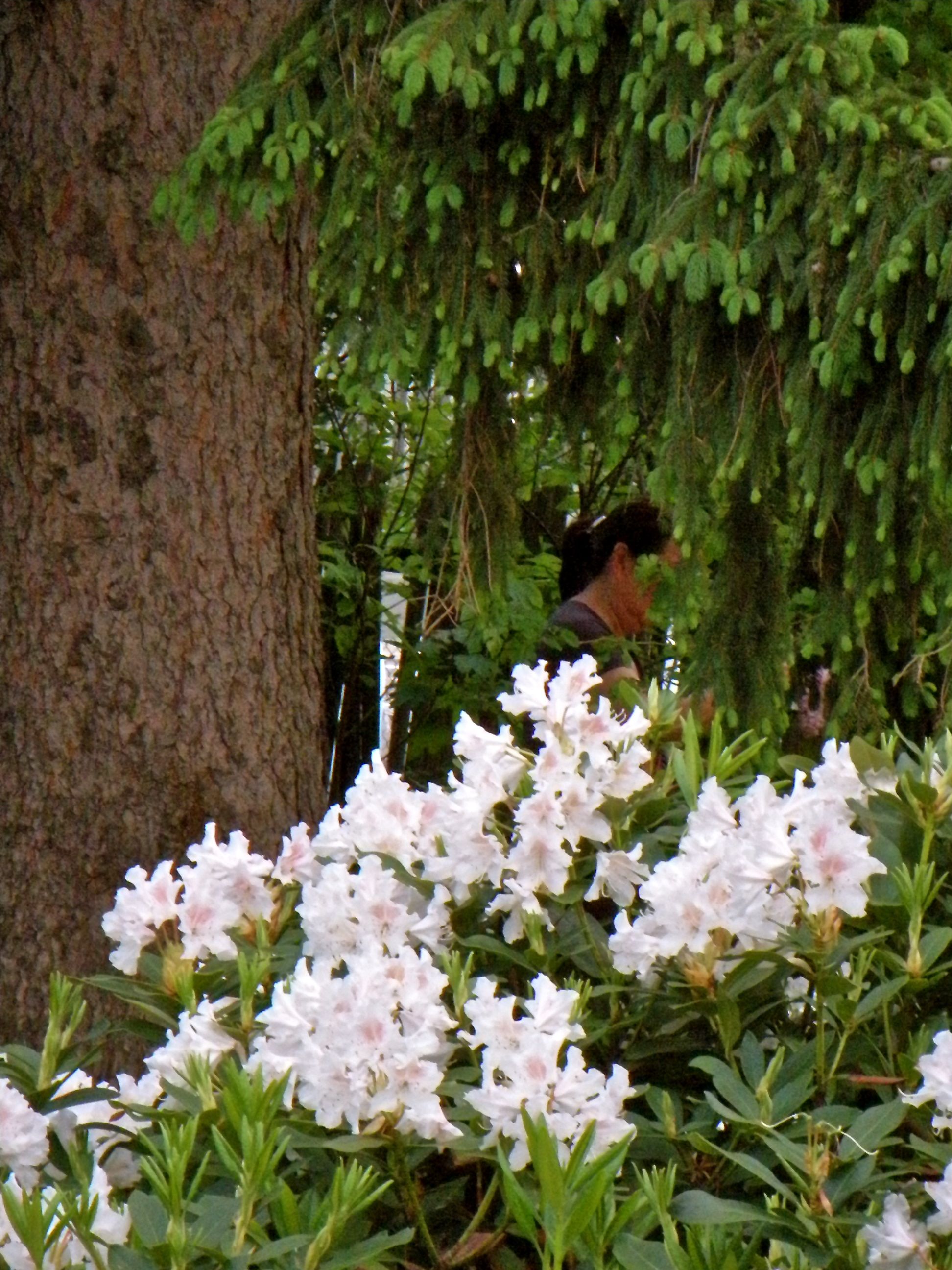
rhododendron and norway spruce

rhododendron and norway spruce

These photos were taken in the evening around 7:45 p.m.

echoes . . .

DSC_0487I’ve been thinking a lot about what Denise Linn said about identity, it being an external idea that we take on like clothing as small children, behavioral patterns that have imprinted themselves on us and which we then unknowingly re-enact over and over again every day no matter what our age is now. It’s not just the memory or sensation of that experience, it’s the irrational feelings that cookie stamped themselves on us–like feeling helpless and over-responsible at the same time. Or a feeling of dread when we wake up, fearful of what next thing is going to hit the fan. Whatever they are, they are THOUGHTS and emotions that come from those thoughts. And as identity, these thoughts get in the way of our reaching for our true authenticity.

And because they are just thoughts, we can recognize them and do something about how we want to deal with them: let the endless replaying of the taped memory go on and on until we die, falsely believing that we are in control of our lives. Or, hitting a pause button with our finger in the air, and experiencing the silence. Sudden emptiness of not feeling the same old thing all the time. The nothing-ness of feeling anything and at the same time, not feeling beleagured any longer.

Is that why people like Zen? Maybe that’s what living with a bare slate is like. Not having that replay going on and on without our even knowing it. What strikes me is how much time it takes to even think about ourselves in this way. Why is that anyway?

Having had my own share of what-ifs and disappointments, I’ve resolved since my last birthday (you don’t want to know) that I choose every day to do something satisfying, simple as it may be: drinking fresh citrus juice, writing a haiku poem about the red/pink dogwood tree that we planted last week, cleaning the kitchen and putting away the dishes and straightening things on the counter.

I realized also that we are inundated by bad news about tawdry and tragic events that we read about first thing in the morning in the newspaper, listen to on local news, then repeatedly again on national news (maybe two stations worth) and then late at night on the eleven o’clock newscast before we go to bed. That’s at least FIVE times of bad, awful news about things we can’t do anything about directly and bad, awful behavior on the part of people who should know better and who keep grinding their axes regardless. I keep thinking things were more awful before in terms of how people enacted human nature (look at “Game of Thrones” for example which I can’t bear to watch for more than a few minutes.) Or Congress, for that matter.

Anyhow, back to how to survive and live in the midst of all this bad news and horribleness, we still have freedom to live with purpose and dignity each day. It’s different for each of us, that’s for sure. How are you managing with yours?

best of both worlds . . .

juicing photo for blogIf truth be told, I think I live in the middle way between what some would label “new age” practice (Denise Linn) and creating the good life (Martha Stewart.) Before you laugh, hear me out on what I’ve learned from each in the last couple of weeks.

1. Denise Linn‘s 28 day program’s first week focuses on intention by creating clarity about what’s important. De-cluttering your environs and your inner self is a means to an end to rid the extras so that new things can enter. I’ve described some of the results of this process in the last two posts. A lot to do in the first seven days.

2. Martha Stewart‘s new book on how to live “the good long life” is full of practical pointers for maintaining your health and enjoying life no matter what your circumstances or your age. Despite all the jokes people make about Martha, I feel that she’s paid her dues and in this book, imparts a tone of friendly good-naturedness about aging (as she is) and how to enjoy it at the same time.

Last night, I was feeling slightly uncomfortable physically from having eaten a little too much and indulging myself a lot over mother’s day meals. I remembered that I had forgotten I was doing a two-day a week fasting regimen which had me feeling slimmer and full of energy up to a few days ago. I confess I read about the two-day fasting regimen elsewhere than these two women’s writings, but basically, it’s taking in only about 500-600 calories for a day, at least a day apart, every week. It’s easier than you think, especially when you can have 250 calories at two meals even while you are “fasting.” I like to do it by juicing on those days, drinking lots of water and having raspberry zinger tea. I also discovered that a shrimp is only about 9-12 calories, and a handful of them makes a great lunch or dinner along with salad. This kind of fasting/dieting is so easy to do a couple of days a week that then allows me to eat (judiciously) whatever else I like to cook the rest of the week (fish, chicken, vegetables, fruit.)

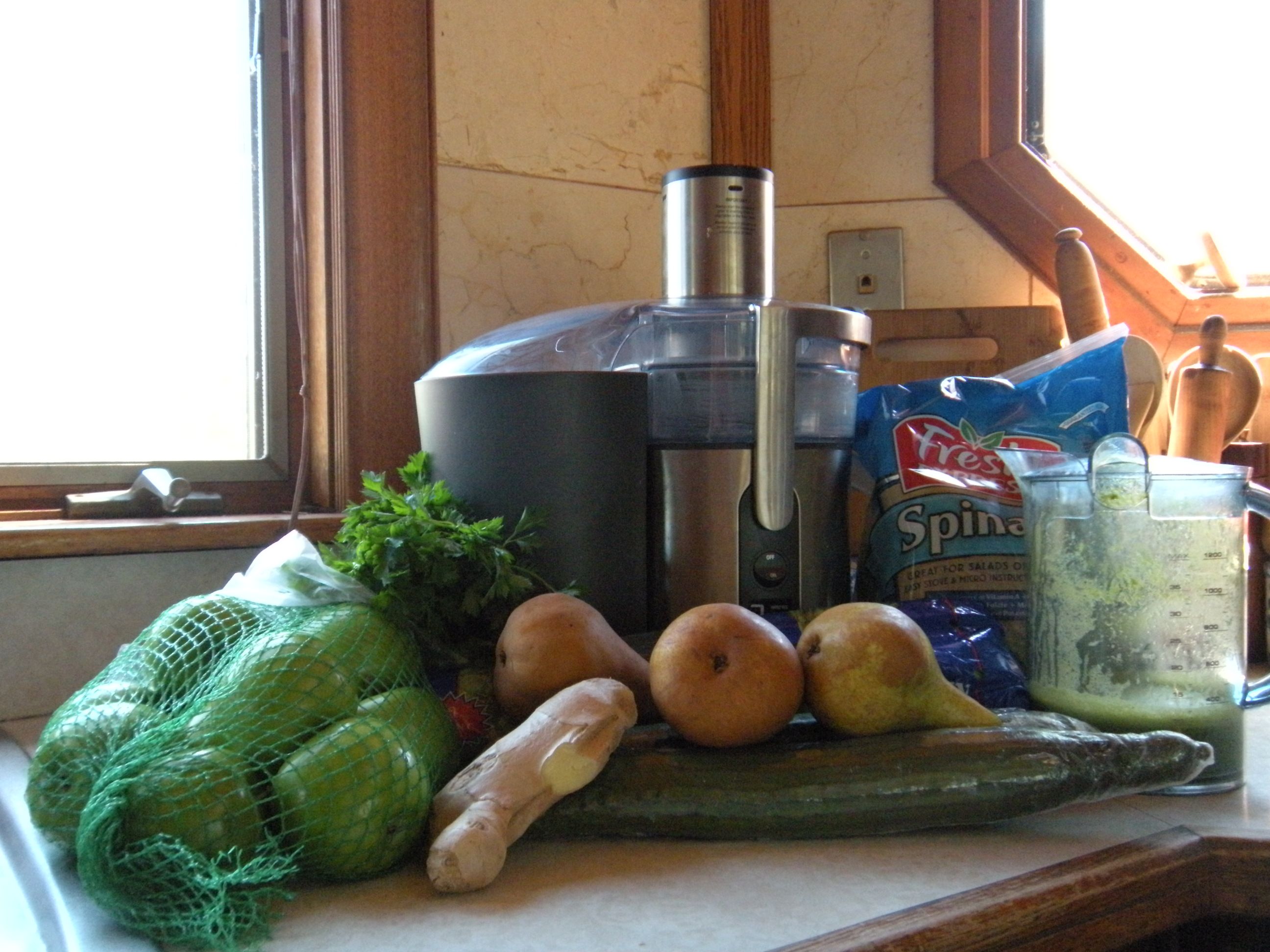
From Martha’s book, I found a recipe for green juicing that she drinks every morning and that I use during my fasting days. I have a Breville juicer that has what seems like many parts, but does a much better and faster job juicing than my old Osterizier juicer that was hard to clean.

On a fasting day, I take out and wash these ingredients, then put them into the juicer in this order:

2-3 stalks of celery
half an english cucumber
2 granny smith apples in quarters
1 pear
half a bunch of fresh flat leaf parsley
half a bag of spinach
a big knob of fresh ginger root

When the juice is made, I stir it and pour a medium size glass of it, adding a heaping spoonful of Pure Synergy, an energy/health boost that I’ve been taking for almost a decade. Taking Pure Synergy regularly, my energy level feels elevated all day without feeling hyper. I put the remaining pitcher of green juice in the fridge to drink later in the day.

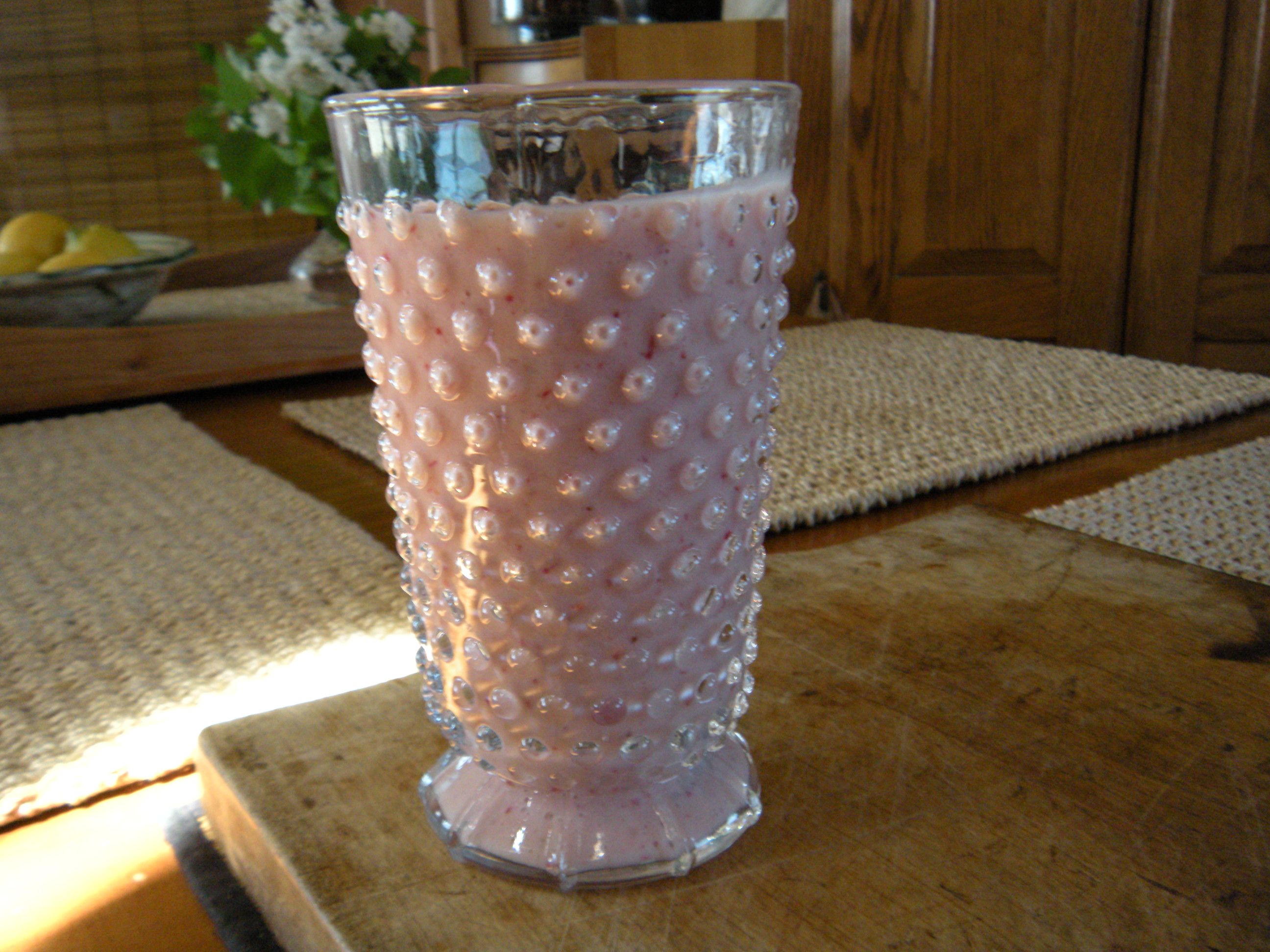
After the green juice, I’ll also drink hot coffee while reading the newspaper, drink lots of distilled water during the day and brew raspberry zinger tea to drink with honey for a pick-me-up. If I feel like it, I might make a fresh strawberry banana smoothie with soy milk as one of my “meals.” strawberry smoothie

On a fasting day, you can have up to 500-600 calories per 24 hours so it’s not like you are starving yourself, just letting your insides have a brief rest. This kind of fasting purports to improve your immune system and prolong your life. Even if it didn’t, it truly feels fabulous. And you do lose weight, or at least I have.

So, de-cluttering as Denise suggests, allowing your body and systems to rejuvenate every so often is “a good thing” as Martha would say. Besides, I can’t tell you how virtuous it feels to wash all these vegetables and fruits, lay them out on the counter and then drink the elixer of all that fresh produce throughout the day, sip by sip.

Admittedly, it’s easier to juice if you have the right equipment and Breville juicers are expensive, to be honest. But compared to the relative costs of what we might spend on some prime steaks, lobsters and legs of lamb, you could probably rationalize the cost of a juicer that will provide a means to a slimmer waist and hips as well as a glowing complexion. Instead of looking slightly puffy from too much rich food, wine and desserts, your face will look smooth and alight with health. PLUS, you can still eat all that other stuff on the days you’re not fasting. . . just in moderation.

Postscript: since I wrote this post, I received a simple electric citrus juicer that I bought on Amazon for $16. It has allowed me to quickly make fresh orange or grapefruit juice anytime that I’m thirsty. Add a couple of ice cubes and sip a cool fruit juice drink!

“identity” . . .

DSC_1037In Denise Linn’s book, “Soul Coaching,” she writes:

“Our identities are shaped by the emotional environment of our childhood years, which we tend to re-create in adult years. We are programmed by the thoughts and belief systems of our parents, who were shaped by the beliefs of their parents. Sometimes we will even treat ourselves the way our parents treated us.” . . . “You are not your identity. To begin to lose your attachment to your identity, it is important to first become aware of it.”

WOW. WHOA!

The ideas in the paragraph I just quoted above are heavy duty and complex according to how our childhoods played out. For me, I was left on my own at a young age to fend for myself and to prove myself over and over again on my own. Boy, does that sound familiar. I can’t believe that I’m still re-creating that kind of environment for myself. But guess what? I think I actually am. For example, I know that I’m really a loner and set up projects for myself that are challenging. And that I am intense about moving through those challenges.

Like today, I moved the eight foot money plant back to where it was before out of the direct sunlight that came from a higher skylight. A plant expert had told me last week that too much sun wasn’t necessarily the best thing for the plant. To create a space for it, I moved the canary over so that it wouldn’t get a direct draft from the window if cool air were to enter. The plant window needed attention so I grouped all the amaryllis bulbs that had gone by and relocated the huge flowering orchids so that they would be visible from the street. By that time, I discovered that the vacuum cleaner bag was so stuffed full that it wasn’t drawing anything up. After changing the filter and putting in a new bag, I was ready for a break.

This little example illustrates that I do things alone that need to be done, but are way more than probably could be done in the space of a mid-morning, resulting in my feeling overtaxed, impatient and dreading what else that still needs to be done but which I’m too pooped out to do anything about until later today or tomorrow.

Having too much to do and feeling like I have to do everything myself is a familiar feeling from my childhood. Especially when it goes along with feeling invisible to others or not being noticed (enough.) Maybe I should stop now that I realize it’s a part of my so-called “identity” that I don’t need to enact anymore.

In her book, Linn says that being able to see one’s created “identity” is the first step to removing it and discovering one’s true authenticity. What an interesting idea!

clean . . .

DSC_1036For Mother’s Day, C. sent me a surprise package from Amazon.com which I was puzzled by because for once, I hadn’t ordered anything from my favorite place to spend money. It was a set of books by Denise Linn that C. later said she found in my “wish list” box which I must have entered in early February. In any case, I’m always game for change and transformation so I’ve started Denise Linn’s 28 day Soul Coaching exercise and am now on Day Three, a day to de-clutter one room or area of your house.

I began in the bedroom, folding and putting clothes away according to how much we used them. I put the screens back up in three of the windows and cleared off the change on the bedside table. Organized and looking spare, I resolved to vacuum a little later and continue after a brief respite to see how much more I could accomplish during this Day Three of De-Cluttering.

It’s funny, but today, I woke up thinking about how our minds work and that I seem to have recurring voices of two people who together account for much suffering in my life. One is now dead and the other I will probably never encounter again. Be that as it may, it’s astounding how often they seem to speak to me on a daily basis, almost as though something inside me can’t help reliving the pain even though there’s nothing to be done about it. So, I had an “Aha!” moment and decided that instead of just removing THINGS and straightening out ROOMS, that the most effective thing to de-clutter was to remove these spirits from inside my head. How? By asking them to leave. Simple as that.

14 Randolph Road PhotoYears ago when I learned about space clearing from Denise Linn, I wanted to clear old and outdated energy from our house. It’s a large Queen Anne Victorian with apartments on the second floor, G.’s piano workshop on the first floor and we live on the third floor. When the apartments were vacant, awaiting new tenants, I lit some smudge sticks made of sage, clapped my hands to loosen dead energy from the walls and then invited any energy that wasn’t friendly or nurturing to us to please leave the premises. I visualized this and I swear, I saw a humongous cloud of green-brownish sludge drift through the open windows and ascend into the atmosphere away from our home. Afterwards, the atmosphere in the rooms felt still, cleaned of stagnant energy.

What if I could do this with these spirit voices too? I sat and spoke to each of them with my eyes closed, surprised to find that neither wanted to leave. In fact, I had to be quite firm that I was done with them and didn’t want them nor memories about them to sap my energy any more. I could hear their voices talking back to me, a cacophony of blame, denial and self-righteousness. Soon, though, it became quiet. Now, I think they’re gone. I’ve managed to de-clutter the nemeses who had resided within my psyche for such a long time. Hoping that things would improve (which they did not) or that things would change (they could not) I let my naive idealism allow them to live on in my memory way past their time. Now they are gone. How great is THAT?

Now, I’m thinking about what a (big) difference a day makes!