
mega- vegetable broth! . . .
 We have a relative who has been in the hospital for almost 3 months and just beginning to eat again. G. and I thought that some homemade vegetable broth might be palatable and at the same time help to boost her immune system. There’s no oil whatsoever in the broth – no cooking oil, no chicken broth, no beef broth. No animal oils. I used a large stockpot and put in these ingredients:
1 gallon of spring water
Cleaned and chopped:
6 large carrots
1 head of celery hearts
2 onions
cousa squash, patty pan squash and zucchini (small)
1 small white potato, 1 medium Japanese sweet potato
1 bag of baby kale
I put on the lid, brought it to a boil and then simmered it for a couple of hours WITHOUT the lid. Cooking the broth without the lid on it is what a) reduces the stock so that is enriched and tastes really good; and b) makes the room you’re cooking in hot and humid even if you have the exhaust fan on. In my very large stockpot, I managed to reduce the liquid by about an inch from where it was before.
 When cool, I removed the vegetables from the pot. Then, I poured the stock through a fine mesh sieve. I returned the vegetables bit by bit to squeeze out all the stock and discarded the remains. I then poured the clear broth into 1 quart plastic containers, filling them a little over half way. This batch yielded about 8 cups of vegetable broth.
Vegetable broth has also been a large part of a macrobiotic diet and is sweet tasting from the vegetables alone: a heartwarming soup to sip slowly either warm or at room temperature. It can also be used as a base for other homemade soups.
Now that I’ve made the vegetable broth at this large a scale, I’m excited about making beef bone broth and chicken stock but not until the Fall when there’s a chill in the air.
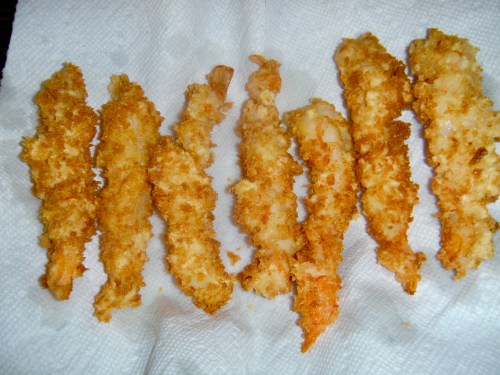 Yes, it’s hot at the end of July in New England. The humidity is terrible. Maybe we’ll get some relief over the weekend – that’s what the weather forecast is saying. Today, I had seven large shrimp that I took out of the freezer to prepare for dinner. I wasn’t sure what I would do with them, but as the dinner hour neared, I decided to make shrimp tempura. It wasn’t a big deal because I’ve made it many times and it’s one of our favorite dishes.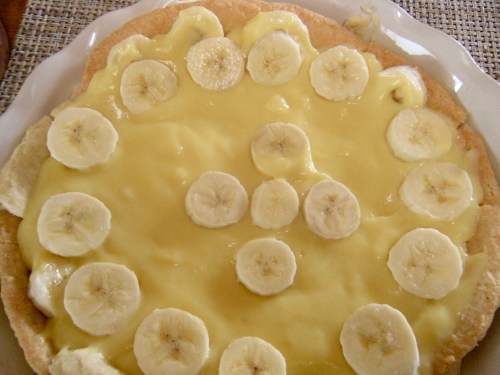


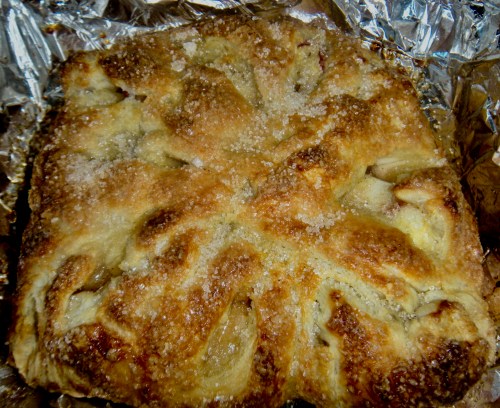


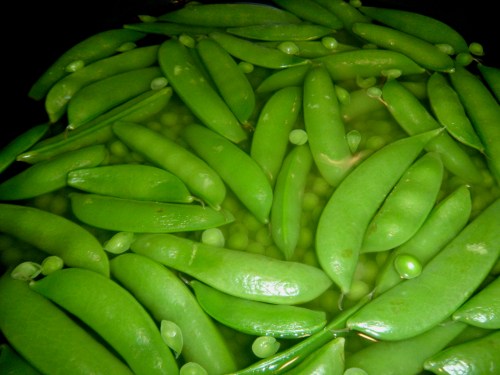
 Years ago, I had lunch at “The Tea Box” a bento box restaurant inside Takishimaya, a jewel of a department store in New York City. The restaurant is closed now, but fortunately, the chef, Ellen Greaves published a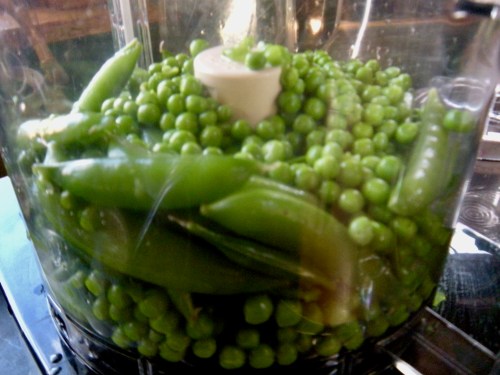
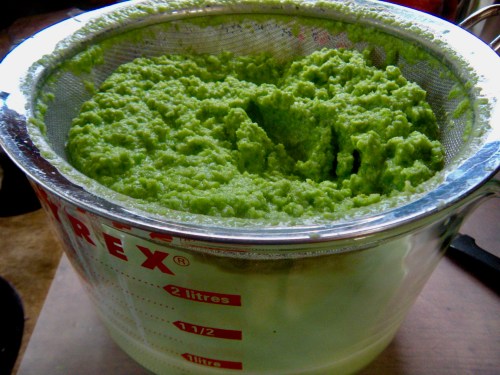 Add a little cream to taste, salt and pepper and serve with snipped chives on top.
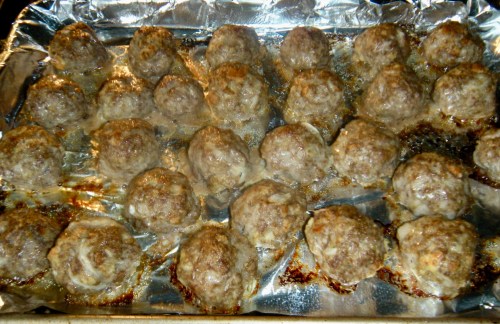 It’s a Sunday afternoon and I thought I’d make a batch of meatballs between watching the World Cup and NCIS LA (yeah!) I used to brown and fry the meatballs in a big skillet which resulted in a lot of fat/grease. Now I don’t. I’ve learned from Julia Turshen (she uses ground turkey, I use ground 80% beef) that it’s a LOT easier to combine ingredients with the meat and then form meatballs, letting them cook in a 400 degree oven for about 20-25 minutes.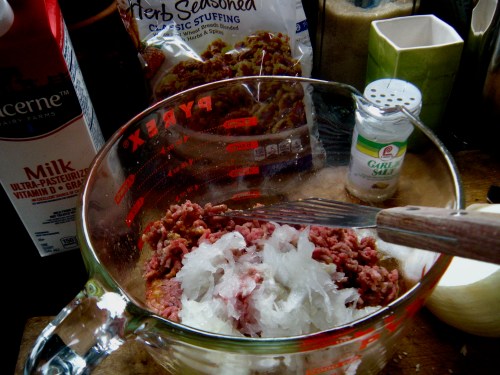
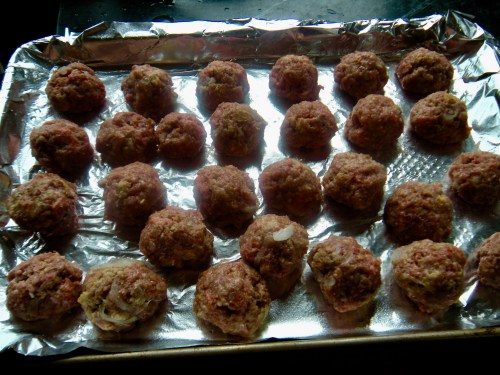 Form meatballs (I got 28 from this recipe) and place on the cookie sheet – together but not touching. Preheat the oven to 400 degrees. Bake for 20-25 minutes until done and not pink in the middle. Let COOL. I store these 7-8 in a small freezer bag and put them into the freezer. When I’m looking for something to have for dinner, they’re there for a) spaghetti and meatballs with Ragu classic tomato sauce or; b) swedish meatballs and noodles (stroganoff with sour cream and beef broth.) These should last through most of the summer and mmmmm they smell really good right now in the oven!
 Have you ever tried cooking soba noodles? They’re made out of buckwheat so they’re usually a medium brown color. There’s also a type of buckwheat soba noodles made with green tea (yep!.) and these are the ones that I turned to make supper for tonight when my piece of fresh salmon from Canada turned out to be perfect to be eaten in very thin slices of salmon sashimi dipped in Osawhwa organic soy sauce and wasabi.
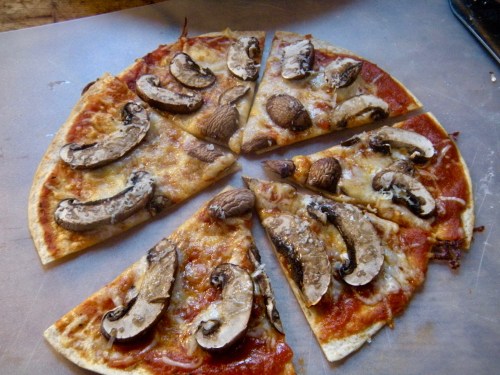
 I’ve been reducing the amount of red meat that we eat although it isn’t always easy. For instance, I usually use meatballs made of beef for spaghetti. Sometimes, though, I’ll rescue some zucchini from the vegetable bin and some mushrooms reaching out to be cooked: you know, still good to eat but not looking their best.
 mulberryshoots