mulberryshoots

"Tell me, what is it you plan to do with your one wild and precious life?" ~ Mary Oliver

control . . .

DSC_0928b

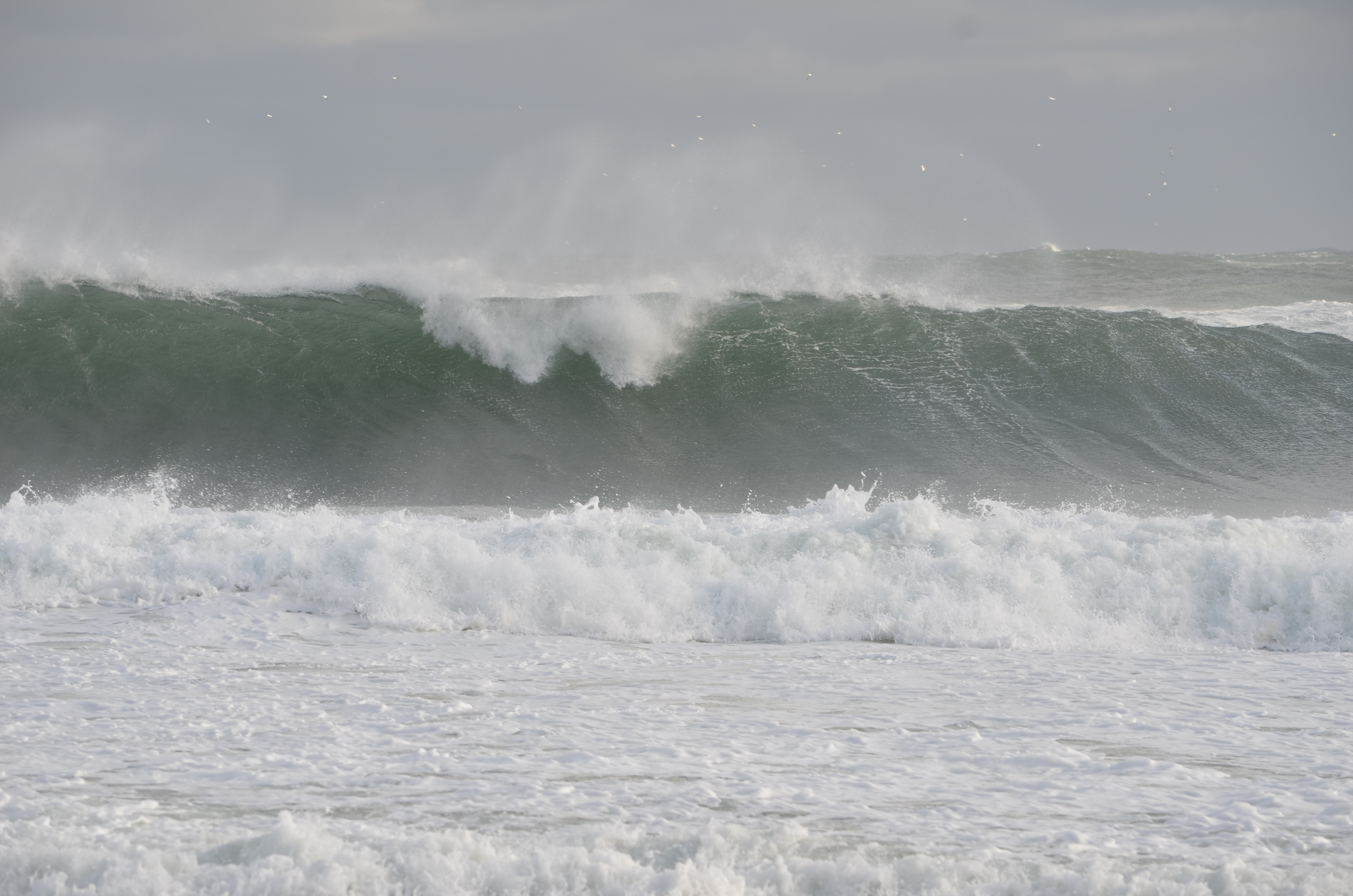
How about that? You can’t control much in life. That’s what I am learning this week. The most I can do is learn and understand more as time goes along. Everyone seems to be doing their own thing these days, for better or for worse. So much so that it seems like the world is in some kind of everyday anarchy: people are on TV talking about the most mundane things. Shootings and kidnappings abound. Suicides inside jail and out. Watching national news is like reading People magazine but worse. There is no real news. Each station features the exact same thing about the exact same list of features but with a slightly different tone or tongue in cheek. Who are these news readers who get younger and younger, have opinions and ask (naive) bright young questions about really serious matters? Is this what the network honchos think will draw younger viewers? What about us old viewers who really want to know what is going on in the world, as distasteful as it might be?

At least the Red Sox are hitting. The score was 20-4 the other night–we were watching “Chopped” on another channel when the score went from being tied at 4-4 to 10-4 after a grand slam home run (I hate missing those!) Then, the other ten runs occurred in a hitting fest that hasn’t been seen in awhile. They continued to hit last night against the Yankees although they lost a big lead and barely squeaked by in the 10th inning. John Farrell, the coach who replaced Bobby Valentine has transacted a kind of miracle. He actually plans ahead for a rotation of players who get to rest, know when they’re up again and why. That shows a regard and respect for the players as individuals. You can tell the team is happy just to be playing baseball again, never mind that you never heard of half of the names who come up to bat. Even Dennis Eckersley, who was a former pitcher and filling in for the poor guy whose son is up for murdering his girlfriend, is doing well. Usually, I cringe at his half-hearted attempts at humor. Now, his comments are incisive and interesting, using some jargon about hitting that I’ve never heard before now. “Grinding” the pitcher is one of them–that is, hitting lots of foul balls to make the pitcher throw a lot and wear him out.

Grinding is a good term to describe what sometimes happens in life too. I find that when I am isolated and sending emails that it could be perceived by recipients as some sort of grinding too. Or asking about things that other people don’t want to listen to or hear about could also appear to be grinding. Well, now that I know how that term is used in baseball, I can see how it might be annoying in real life too. It doesn’t even matter that your intentions are naive or innocent.

People will do their own thing and can be persuaded or influenced easily by other people’s lifestyles. I am always afraid about that but not to worry, I can’t do anything about it anyhow. No need to stick my finger into that dike hole.  Fighting the inexorable is futile. Just like trying to have some influence or control over others. They will do their own thing no matter what, especially in this free-for-all kind of culture that we are living in right now.

Values are what this is about. And the only thing I can do for myself is to adhere to my own values, and not spend time worrying about anyone else’s. That’s a lot of self-control to have, don’t you think?  And all we might need too!
awareness . . .

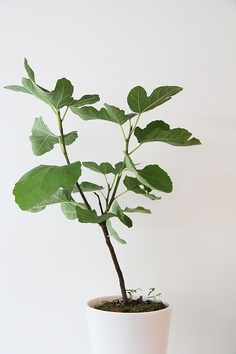
"everything's coming up roses!"

“everything’s coming up roses!”

The other night, we watched a dated movie (“Somewhere in Time” – 1980) of Christopher Reeve asking a stoical librarian to dig out old magazines in order for him to see a photograph of his old love. Now, we can “Google” topics, creating an instant research network for just about anything that we’re interested in learning more about.

After the first breakthrough a couple of days ago, I’ve had a few more. I had been reading about some OCD tendencies that I have myself. I was astonished to come across an exact description of worrywart anxiety that I have experienced for decades. Some companion behaviors were right there too. I was relieved to learn that there are some simple ways to smooth the rougher edges of OCD behavior. The basic one was awareness. A common, natural compound taken in moderate amounts might also help.

When I look around me, it appears that everyone has bits of something. There’s no longer a red line between us and those who are depressed, bipolar, manic depressive, Aspergers, OCD, borderline or are agoraphobic some of the time. Stress exacerbates behavioral oddities and normalcy reappears when things calm down. I wonder if this seesaw effect makes it harder to see patterns over time, especially if we think of ourselves as “normal.”

OCD is an anxiety disorder manifested by questioning relationships, constantly seeking reinforcement, hoarding, compulsive spending, a cycle of behaviors all directed at feeling less anxious. Like an octopus, tentacles of fear tighten so that anxiety becomes heightened, not decreased by OCD behavior. That’s an irony I didn’t understand very well until now.

At least, paring things down, turning off the spigot of spending (including food we can’t keep up with cooking before it spoils) may help. Relationships may be improved just by ceasing to question them ceaselessly. It’s a big sense of relief to think things through and finally make more sense of our world, such as it is. If you haven’t tried it yourself recently, I’d highly recommend it.

breakthrough . . .

DSC_4046

Don’t you agree that the term, “breakthrough” is sometimes overused? Perhaps it’s because life is harder now after 9-11: real and imagined economic, political strife, personal feelings of fear, anxiety and worry about ourselves, our families, our country. It has felt like that to me during this intense summer of heat, humidity, drought, wildfires, floods, sinkholes, never mind the state of the world, whatever that is. Shopping doesn’t seem to help for very long either.

I’ve been feeling a little besieged myself by old memories fraught in the past brought on by a memoir writing class but mostly by feeling like I am running out of time. When I stop and think about it, that’s really a dumb way for me to spend my time–worrying about running out of it while wasting it while I’m worrying about it. If that isn’t silly, I don’t know what is. Still, it feels normal.

I’m just human, though–so after looking outside myself for answers, I began thinking this morning about a situation that has been so problematic that I had thought of running away from it altogether. Gradually, though, I could see certain parts of the puzzle floating in front of me until suddenly, they seemed to click together to communicate a very different picture altogether. Then, I started researching online to understand it better. As I continued to read, the realization of what was really going on, and probably had been going on for a long time gradually dawned on me. Everything fit into this new picture. I was dumbfounded.

I also felt calmer. Understanding something for the first time was grounding. Even if it was difficult (and it still is,) it nevertheless seems less threatening than not being able to grasp a situation or feeling like I don’t know what to do about it. To me, acceptance is only possible when one truly understands a person or a situation. Everybody talks about compassion all the time, but I don’t believe you can have true compassion without understanding. Until the brain is willing, none of the other synapses that control action will fire away in constructive, rather than destructive pathways.

It’s rather humbling to realize that one’s actions can be ill-directed even though one feels well-intentioned.

A breakthrough is defined as  “An act of overcoming or penetrating an obstacle or restriction.” I feel lucky that I had one today because it is making a huge difference. I am also reminded that the quality of how we live and feel about life is dependent upon how we think about it within. That old lesson again.

I don’t know why this particular breakthrough arrived today. It feels like the one I didn’t know I was still waiting for, though. Thanks, Helpers!

the sound of music . . .

Xmas 2005-Spring 2006 583_2_2This post is not about the movie, the play or the book, “Sound of Music.” What it is about is what happens to the human spirit when the sound of music is heard live, in person, in the presence of the music being made, heard and then falling away.

A few days ago, I received an email from some old friends of mine with whom we had lost touch. We would say we would get together soon but somehow never managed to. You know how that goes. In any case, they wrote to me to ask a favor. A neighbor of theirs was planning to celebrate an 88th birthday for their father who was visiting them from out of town. It turns out that 88 is also a magic number for the number of black and white keys on a piano keyboard. The birthday celebrant loved classical piano music, and my friends wondered whether I would play some pieces for him as his “birthday gift.” They also wanted to make a gift of some sort made out of old piano keys, which G., my husband who is a piano restorer, brought over to their house yesterday to play around with.

In the meantime, we had to hustle because it turns out that the favorite piece of this classical music lover was Rachmaninoff’s “Rhapsody on a Theme by Paganini.” If you are familiar with it, you’ll laugh out loud like I did because:  a) it’s very difficult; and b )it’s written for piano and orchestra. Undaunted, G. found a reduction (simplified) version of the score at the Holy Cross music library aided by a piano friend who is on the faculty there. Even with the score easier to see, it is still hard to read and play, given that it is written for five flats!

This is Tuesday and I’ve put together a tentative program according to the Juilliard model (baroque/classical/romantic) in that order: Bach, Scarlatti, Chopin and Rachmaninoff. Practicing yesterday, I noticed that although I hadn’t played or practiced in quite awhile, that I felt both stronger and freer while going through the pieces.

This afternoon, G. will tune the piano that hasn’t been serviced for awhile and meet the fellow who will be congratulated on Thursday evening, although he probably doesn’t have an inkling of all these surprises in store for his birthday.

Thursday evening: The party was a hit! Chuck spoke about the first time he heard the Rachmaninoff Rhapsodie on a Theme of Paganini when he was twenty years old in a church during World War II. His relating the story after I played the piece brought the experience full circle–and so I did a reprise of it for him. When I asked him if there was any other piece he’d like to hear, he shook his head and said that he was happy with the program and with hearing the Rachmaninoff piece live. Now, there’s a rarity–someone who is satified and knows it.

What a great treat to be able to play this music for him! I’m grateful for the invitation to participate.

the tribe . . .

5888374b3d6e88fab9e61f1f19e50ca9

Have you ever wondered about the difference between men and women in terms of how they interact with the world and with each other? Ever since that seminal book, “Men are from Mars and Women are from Venus,” was published over twenty years ago, contemporary life has altered and changed (including more women in the workplace and greater sharing of household/childcare by men.) Or, maybe not so much.

My husband, G., has a network of men who work together on a daily or weekly basis, have known each other, some for decades and have one trait in common. They don’t talk about anything personal to each other: not when a family member dies, not when they’re going in for serious surgery, not when they lose a job, don’t have enough money, or their refrigerator dies. They just don’t do it much. I’m amazed when I hear this because women talk about these kinds of things, even with other women that they don’t even know very well! Men seem to have a shorthand code about what they’re willing to talk about. It seems that the most meaningful way to get through to a man is to ask him to do something to help you. Usually, though, you just want him to listen, and not to do anything. Nor do you want him to give you advice about what to do. Usually, he wants to fix it, not listen to a problem. Men are hunters, trackers and warriors. It’s in their gene pool, their DNA, whatever it is, it seems to be the most powerful trait that drives them and makes them tick.

That being said, I also want to tell you about something else that happened yesterday that made me think about men as belonging to a tribe. To make a long story short, I was looking at a 2005 Subaru Outback to buy yesterday as a replacement for my 2003 car that has over 150,000 miles on it. The fellow, Joe, who drove the car over to have it inspected by my mechanic was young, affable and easy going. We talked about family (he has a four year old) and sports, mostly. He thinks that Bill Belichick will keep Tim Tebow for awhile just to show the world that he can turn him into a great quarterback by the time Tom Brady retires in a few years.

Back at the dealership, I met the Sales General Manager, a brisk fellow who was willing to negotiate the selling price on the car, but then added up a laundry list of other costs: sales tax, dealer fee (?); registry costs, new plates, etc. etc. As I waited for the numbers to be run, I asked Joe if he was related to the GM because they joked around as though they were. “No,” he said, “but I get teased for being a bad influence.” It turns out that Joe introduced the GM and then the car dealer staff to join him for chicken wings (25 cents/wing) after work 8 p.m. on Monday nights to watch football games on the big screen at a neighboring restaurant/bar.

The GM returned with the paperwork and I casually mentioned something about “chicken wings.” He spun around and said, “Who told you that? We don’t even tell our wives about chicken wings!” and when I asked him what they told their wives, he said, “We just tell them that we had to work late.”

Okay. So a tribe of men go out for chicken wings to watch Monday night football after work. No big deal. Except that this is what they do on their own. And they don’t TALK about it to anyone, especially their wives!

See what I mean?

‘prime’. . .

K & G

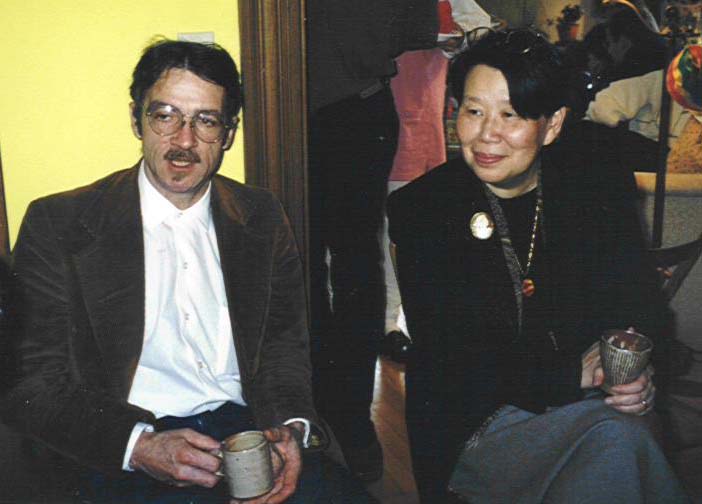
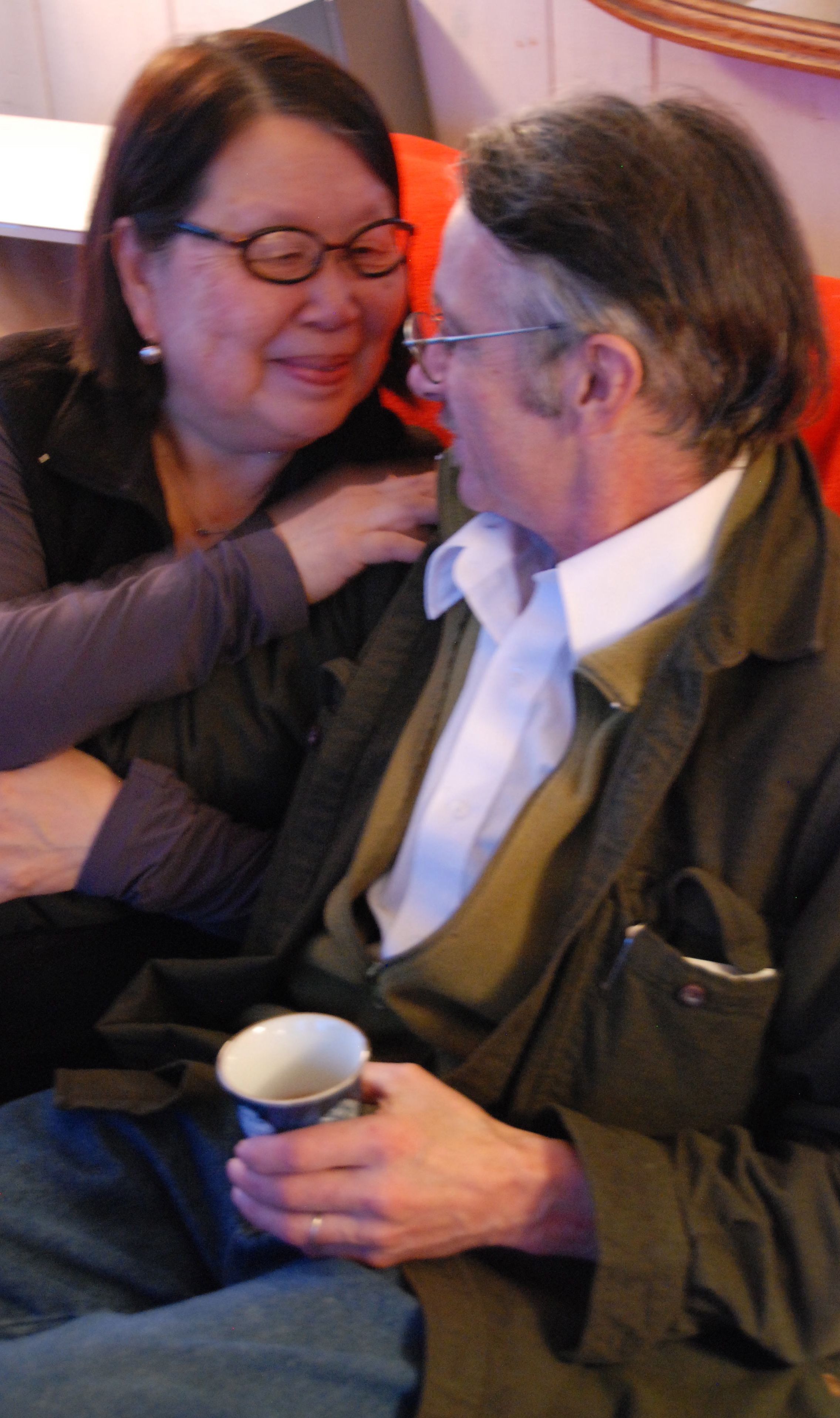
I came across this photograph a little awhile ago and was struck by how relaxed and happy G. and I looked when we first met. A lot of water has gone under the bridge since then.

It occurred to me to say that we were in our prime then. I headed up strategic and operational planning at a biotech start-up company in Central Massachusetts at the time. G. expanded his piano business to mostly Steinway and Mason-Hamlin grand pianos from restored antique uprights while continuing to service academic institutions in the area.

On second thought, I hesitate to make that call because I think the notion of being in one’s prime at some arbitrary point in time is shortsighted while one is still breathing. What I know now about life compared to those younger days has been hard-won. More important, what I know about myself from those halcyon days is so different that I might venture to say, it’s like night and day.

When I think back to that period of time, I remember that I was still optimistic and ambitious too. With the world what it is now, the economic vicissitudes that have occurred worldwide have set everyone scrambling, changing habits of easy expectation. Another thing that has shifted for lots of people is the loss of “the American Dream,” the idea that fairy tales do come true, people will succeed if they just work hard and children will love their parents even after they grow up and leave home.

It’s been hard. We have been fortunate because we had good work. Now, I don’t have to work as hard but the drive to learn and be productive is still there. I haven’t lost my memory although I rely less and less on memory anymore as a way of life. Thinking back doesn’t really do much good except to wonder how I managed to do all that stuff. There are many things I wouldn’t do again because I am now more clear about what I want my life to be: peaceable. Synonyms for peaceable include: harmonious, mellow, calm, tranquil, amiable and kindly.

Being able to provide what we need for ourselves is good fortune. Having a peaceable life is priceless. It’s hard to get there and we’re still working on it. But if there’s a prime time in life, perhaps it’s getting to a place where we realize we don’t need as much and that we’re lucky to be together. I wonder why it’s taken so long to get here.

K&G closeup

Yin, not yang . . .

I-Ching rock photo

You may have heard of Yin and Yang or at least seen the image of two halves making a whole: the dark and the light. Yang energy is excess in all things, pushing things beyond the limit outside of oneself. Yin is shy, reserved, quiet, drawing energy from within.

The truth of the matter is that my whole summer has been so yang that I’m “yanged” out, if that’s a word I can coin here. Too much running around, reaching out for lots of things, driving a lot, experiencing strong feelings, all of which have taken place in long summer days of intense heat and humidity.

Now that the light is changing and the air cools at night, I’m definitely ready for the pendulum to swing back the other way. Yesterday for some reason, I was drawn back to thinking about macrobiotics as a way of eating and living. Years ago, I spent a week at the Kushi Institute in Becket, MA. learning how to cook macrobiotic food. Armed with a pressure cooker, heat mat, premium brown rice, spring water, collard greens and kinpira recipes, I came back, ready to combat the viral encephalitis that still had a grip on my brain. Even though Western doctors said there was nothing wrong with me besides exhaustion, I knew something was up when I ordered an “ice cream sundae with mushrooms on top” at Friendly’s.

Thinking back on it, I remembered making rice balls and tiny lunches packed in bento boxes to take to work with me. People marvelled at how little it looked like I ate and at the same time, complimented me on the glow of my skin. I lost weight then too. Remembering that has reminded me now that I have a chance to regain my center, calm myself down, eat less but nutritiously and lose the remaining weight I’ve been aiming at once and for all, say, by Christmas.

The other long-held goal of mine to truly clean things out here and live a spare, although not spartan lifestyle also seems close at hand. The dumpster was taken away as quietly as it appeared, holding three and half tons of debris. In a month’s time, another container will appear for us to go through things that are still left. Just thinking of how much lighter living will be by then has me feeling giddy with anticipation.

For me to stay on something like a macrobiotic pathway it may also be helpful to think about life a little differently than in the past. I find myself wanting to shed the extravagances of the past: over-the-top Christmas holidays; gifts for the children they might not want or need; here-or-there things that are nice but add to the stuff that eventually will be sorted out and then given away again. The Buddhists say that craving is the source of human suffering. Taoists say something a little less judgmental. In any case, you can’t make desires go away. Something has to happen so that they don’t seem important anymore. Or set things up so that desires won’t surface as often. Tempting places like Amazon.com, Etsy, eBay and Nordstroms have been deleted from my Bookmark Bar. Oh yes, and I forgot to mention Pinterest, which is a most beautiful way to absorb other people’s cravings while increasing your own! I’ll have to get my thrills from going to the market a few times a week with cash, not a debit card.

Another thing that I learned about having less is the joy of an almost empty refrigerator. To me, nothing is worse than figuring out what to cook so that the refrigerator contents don’t spoil. I’d rather shop more often and buy two days worth, eat it ALL, and then start over again. So much food is wasted otherwise. I find that I can never rely on what I thought I’d like to eat, then three days later cooking it with the same kind of relish as when I first bought it.

So that’s where Yin is taking me these days. I’m exhausted from all the Yang. Depleted. I just need to stay quiet for awhile. Sit quietly. Read. Keep the TV off, especially the news.  And turn off the cooking show where Ina Garten pours a quart of cream into six egg yolks swimming in two sticks of butter. Now, that’s Yang.

books . . .

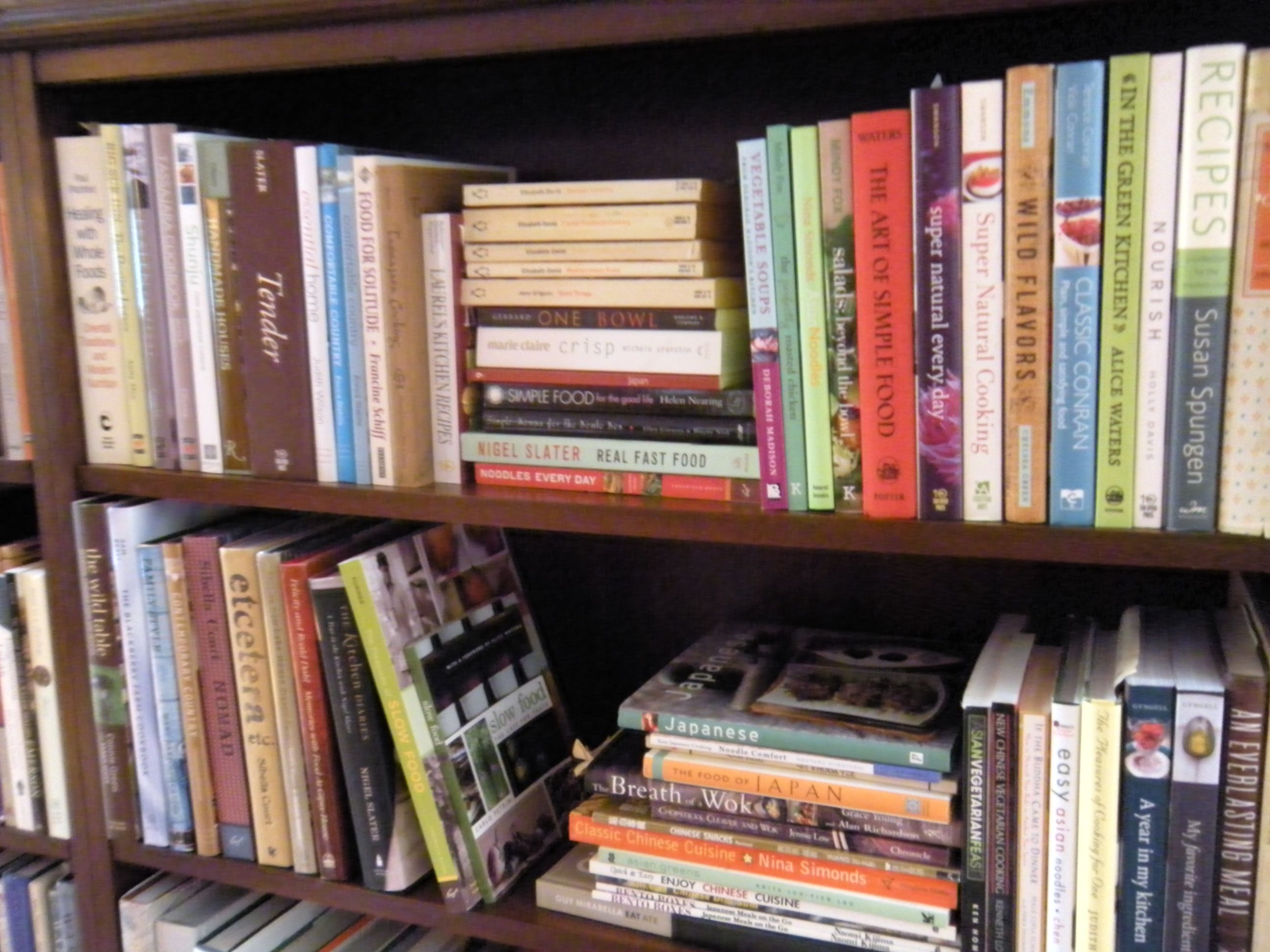
bookcase 1Although I didn’t think ahead of time that I was going to do it, I am finding myself in the midst of my semi-annual (twice a year) bookcase clean-out. Or I could just say book clean-out because I seem to have them stacked in all sorts of places, waiting to go to the library as donations, or finding a place to remain. This time, I’m even donating some large format books. It’s an interesting exercise because it’s a little like looking at a mini-“this is your life” video as the books get sorted or discarded, noticing how my interests and tastes have evolved.

The first section of bookshelves nearest the kitchen is prime real estate for books I love and use the most: cookery books by hip, healthy cooks such as Andrea Reusing, Nigel Slater, Alice Waters, Deborah Madison, Holly Davis, Heidi Swanson. Bookending them are Julia Child, the Conrans, Ronald and Felicity Dahl, the River Cottage guy and the River Cafe in London cookbooks. A dozen each of Japanese and Chinese cookbooks, dim sum, bento box, asian grill, noodles galore, tofu and soba paperbacks are now grouped together on the third shelf down. This reorganizing and culling out has inspired me to look through some of my favorites (Holly Davis and Andrea Reusing) once again.

In the middle section are two shelves of Taoist and Zen poetry, writings, translations and books about the I-Ching, including half a dozen translations of that venerable book. There’s a mini-library of books about Cape Cod and the North Shore:  National Seashore volumes featuring towns of Eastham, Wellfleet and Truro; books about the stone quarries in Rockport. New England Transcendentalists, Ralph Waldo Emerson’s writings and Henry David Thoreau’s journal of his time on the Cape meet halfway on a shelf with Taoist poetry translations by Red Pine and Zen writings by Alan Watts.

I-Ching emerson bookshelf

Finally, there’s enough room without having to lay books flat onto vertically shelved books (except for my two-volume boxed set of the I-Ching at the ready whenever it’s needed.) Whenever that kind of cramming has overflowed, it’s time to cull them out. It happens often in August, for some reason: must be because it’s so hot and one of the most uncomfortable times to do it.

There are five cartons of books to load into the car and take down to the public library today. Wednesday is their donation day and I’d just as soon have them out of the house so that I can enjoy the books that now have more breathing room. I’ve been remonstrating with myself lately about continuing to buy books when there’s no more room, but am glad to see how much richer my library is now than it used to be.

At the library, I’ll have a chance to look up and borrow some of the books that were suggested at the memoir writing class last week. It’s an opportunity to broaden my reading without buying more volumes, at least not today.

“art” . . .

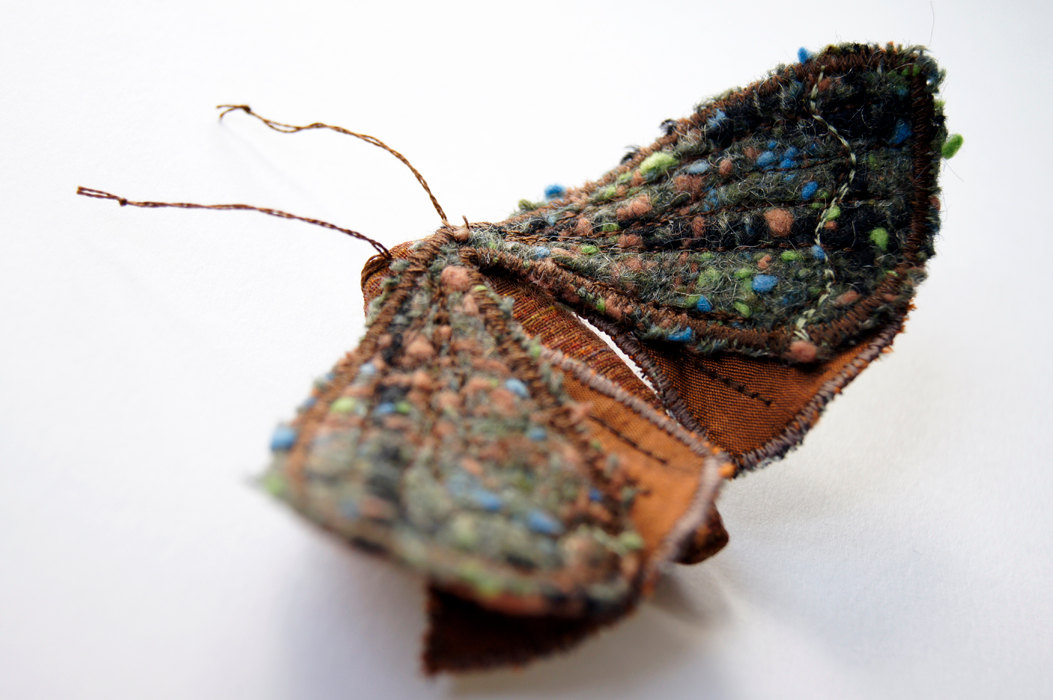
butterflyToday, I asked the memoir workshop leader for advice on improving my writing. He said, “You are fine. But you have to be more intimate.  Even if it’s not in your culture’s mindset!” Then I looked up the meaning of “intimate” on line and it said “to be personal, private.”

This is interesting advice. Especially since I’ve been told many times that I am too direct, hitting the marrow in the bone as it applies to others. Perhaps I am not exposing my own bone marrow enough when I’m writing. And that it might be culturally Asian to avoid revealing one’s emotional depths except INDIRECTLY. I didn’t think I was that Chinese after spending most of my life in this country. But maybe that’s what I learned last week at the workshop: that describing pain indirectly doesn’t hack it.

I wonder if being in a deeper place, describing more detail and feeling to the reader would make my writing more intimate? If that is a prerequisite for “good writing,” or “making writing into art” then I’m not sure that I want to do that.

So, my question then is, what is art? And why does writing have to be art to make a difference? Here’s a definition of art on Wikipedia:

Art can connote a sense of trained ability or mastery of a medium. Art can also simply refer to the developed and efficient use of a language to convey meaning with immediacy and or depth. Art is an act of expressing feelings, thoughts, and observations.

The operative words are “with immediacy and or depth.” That’s where a more intimate look might enter in, I think. More detail, slower pace, not just skirting the pain.

“after” . . .

ImageYou know how people like to show “before” and “after” in order to illustrate transformation? The problem is that transformation is not always visible in photographs. It’s actually even hard to describe unless and until you feel one all by yourself.

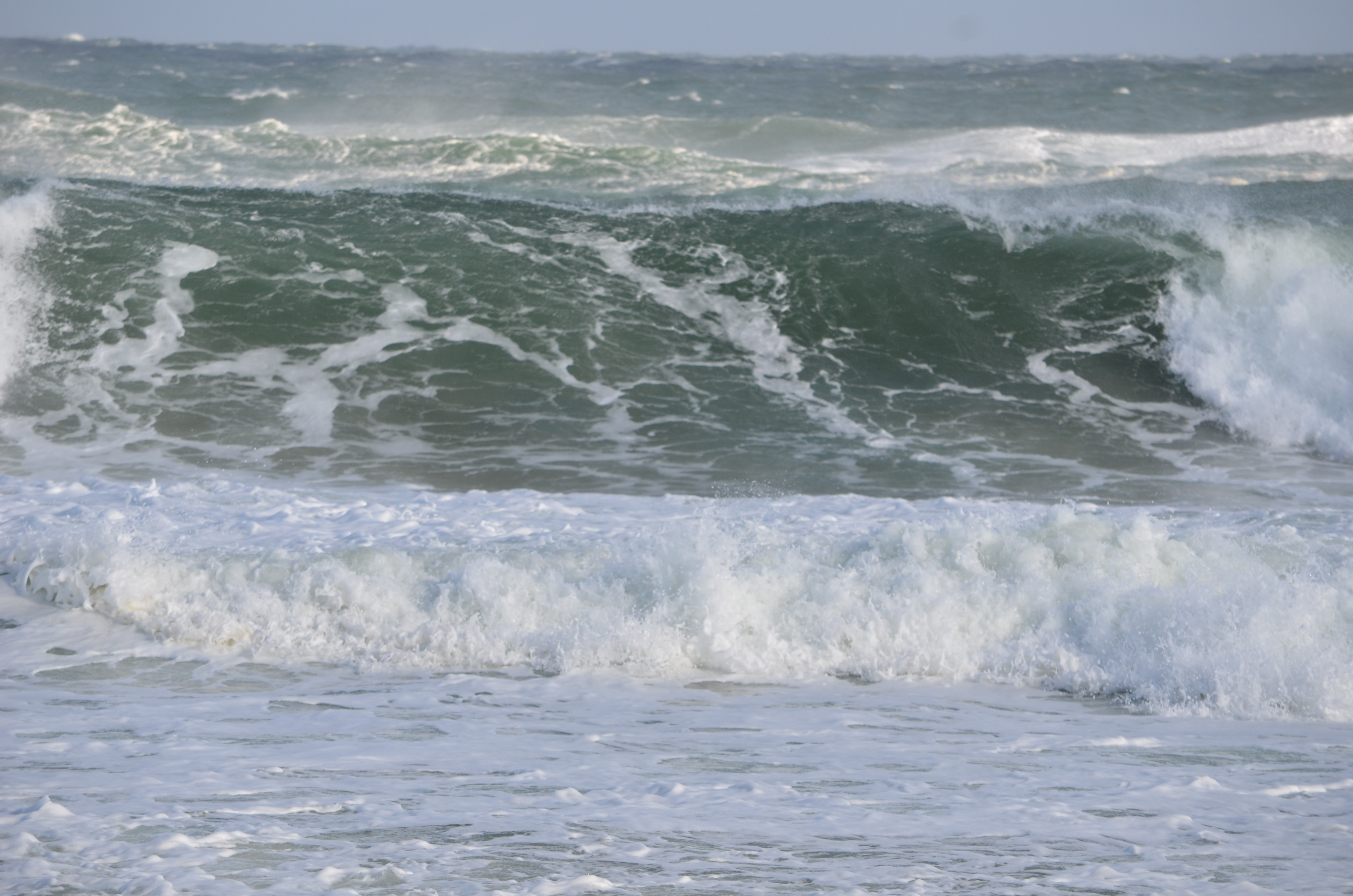
For me, the “before” was feeling over-responsible, along with an ever-present fear that unless I did something or took care of something that things would just go to pot. Thankfully, I discovered last week the source of my  life-long fear (almost falling into the ocean when I was five because no one was looking after me.) And, most important, I discovered that I was carrying around a load of anger that I had carried that fear for so long. Okay, so I’ve  put that motherlode of fear down just last week. Get it off my shoulders. Give it a kick so it slides down the mountain or wherever it’s gone.

Second, look around and take a look at who has taken the brunt of my anger for so much fear? Ah, it’s the people I want least to hurt. Better late than never, as they say. So, now that the scales have fallen from my eyes and I can see how I have both protected myself and fought the untellable times when my fears might have come true, I am now fear free.

Being free of fear also means I can let go of all those things I cared about that produced the fear. It’s incredibly free-ing. I have merrily been cleaning out closets, going through old photographs, admitting fault, not taking on more fault than belongs to me, and feeling free. It’s incredible how feeling free feels. You should try it sometime. If you can.