mulberryshoots

"Tell me, what is it you plan to do with your one wild and precious life?" ~ Mary Oliver

“Noah” . . .

. . . the next great flood . . .

. . . the next great flood . . .

Having little better to do on a Saturday night, G. and I surfed through Netflix and Amazon.com to see if we could find a movie worth watching. We picked “Noah” with Russell Crowe and Jennifer Connolly, the actors who co-starred in “A Beautiful Mind,” some years back. If they hadn’t been in the movie, probably few people would have decided to view it. Because it was just awful.

I won’t go into all the theatrical aspects of the movie which made it seem sometimes like a “Lord of the Rings” wannabee, replete with animated giant rock robots who fight off the hordes of humanity who want to board the ark before it’s too late.

The reason I’m writing about it in this post, however, is that the message about humans ruining everything is still true: doing themselves in whether it’s due to the introduction of evil in the Garden of Eden, providing temptation through eating the forbidden fruit and making choices that result in defiling Nature’s gifts, killing brethren (Cain and Abel) and conducting wars upon wars (the Middle East, Ukraine, Syria, Al-Queda, Taliban) still goes on and on, everyday. Whether you buy into the religious ringtone around the original sin thing or not, it’s easy to see that we humans perpetrate hardship on each other and that injustice is rampant due to ego, greed and the quest for power and domination. Where will it all end up. . . another flood? If not, what are we to do as we lead our lives on a small scale, trying to get along with those we love and moving on from things that don’t matter any more?

How can we stop the merry-go-round and get off the human centrifuge that spins us around all the time? I’m thinking for myself that it would be helpful not to want anything any more. Not having a bucket list, for example, of exotic places to travel to or museums to see. Or that elusive place to live directly on the ocean with taxes you can’t afford, never mind the purchase price or even a week’s rental fees. Not STRIVING all the time. The energy that goes into striving is a propellant that is hard to defuse. Eastern philosophy says just that: stop wanting and you will be more at peace. Of course, that doesn’t mean we have to live in a treehouse and drink drops of rain off of pine needles at night either.

And what’s a happy medium since we live in America and can’t turn off the news? Stop reading magazines for one–a pet hobby of mine, where emulation and ideas for new things to get are what they are all about. I’ve been going through ones I’ve kept through the years, tearing out a recipe or two and then tying bundles of them up in twine to take out for Tuesday recyling pick-up. What else? For me, it’s to be more effective about living in the present so that the past doesn’t affect me so much anymore. And for things that linger over us that may affect us in the future to stay where they belong–in the future sometime.

In the meantime, we’re trucking along, each of us having survived and recovering gradually from physical injuries this past Spring. My car, which went missing a few months ago, then recovered, then held hostage by the insurance company is almost ready to be repaired. The screw that was holding my tibia and fibula has been removed; and I’m looking forward to taking a trip in September to Puget Sound with my daughter and her family. Looking forward to eating Dungeness Crab is enough for me to strive for these days.

So, until the next flood, wildfire epidemics, tornadoes, tsunamis or attacks on planes somewhere in the world, here’s to living today as best we can, clean up our messes and be nice to the people we care about.

Oh, and to stop making bad movies with money better spent elsewhere.


shaking it up . . .


I love camels, don't you?. . . they stay calm and sanguine while everyone else around them goes berserk! . . .

I love camels, don’t you?. . . they stay calm and sanguine while everyone else around them goes berserk! . . .

Okay, so when the Red Sox traded Adrian Gonzales, Carl Crawford and Josh Beckett two years ago, people were agog. The team was playing badly, drinking beer and eating chicken wings as they kept losing with Bobby Valentine as their manager. Coming from last place to winning the World Series with a bunch of bearded guys you couldn’t even remember the names of occurred the very next year under new coaching manager, John Farrell. Yep, that was just last year, remember?

Yesterday, they did it again: this time, trading six players that included the only two pitchers that the Red Sox really have and who helped them win two World Series: Jon Lester and John Lackey. At the very last minute, the Yankees sent a fax at 3 in the morning saying that they wanted Stephen Drew. Jonny Gomes looked like he didn’t know what hit him as he headed out to Oakland along with Jon Lester. Nice place to live, Oakland, CA. Lester’s a free agent after this season so there’re some whispers that gee, he might come back to the Sox next season. John Henry was seen saying goodbye to Jon Lester, pulling him out of his caramel colored pick-up truck and having a quick word with him out of sight of the cameras before Lester climbed back into the truck and drove away.

It seems that management decided to build up their offensive hitting capacity by getting Yoenis Cespedes, a young Oakland slugger–and that it would be easier to get pitchers than sluggers. (How much longer will David Ortiz be around, you might ask.) I hope they’re right because you wouldn’t really want to count on Clay Bucholtz as our only starting pitcher. I mean, who else do we have? They traded Peavy a couple of weeks ago which wasn’t surprising. Uehara, the relief pitcher only comes in at the very end and pitches a few crucial strikeouts. But he’s not a starter.

It’s actually interesting to watch the game tonight at Fenway Park. I don’t see many empty seats. It feels different to be watching a lineup that still has Mookie Betts, a little guy who came up from the minors about a month ago in the lineup. (BTW, Betts made a spectacular catch in tonight’s game.) They’re playing the Yankees who have Stephen Drew at 2nd base and Jacoby Ellsbury firmly ensconced in the Yankee lineup. Ellsbury, who was never appreciated enough here in Boston, went to the Yankees for a five year, $150M dollar contract after the World Series win last year. Yep. And remember when Johnny Damon went to the Yankees a few years ago? Where is he playing now anyhow?

It’s a Friday night and not much is happening with the Market Basket saga that’s closing its second week. Management is threatening to hire new people if they refuse to return to work on Monday, August 4th. Push is coming to shove between management and employees while the Board continues to stall its review of buyout offers.

So, between the Red Sox pulling apart its former World Series team and Market Basket pulling itself apart piece by piece, there’s never a dull moment around here in the Boston area. At least not this week.


the worst and the best . . .

DSC_0197I’ve begun to notice how impressionable I am in the moods that come over me as I begin my day. For instance, I often look forward to reading the “Food” section of the NYTimes on Wednesdays and the “Home” section on Thursday mornings while eating my breakfast.

“the worst”: This morning, I read a very long article about a woman who wanted to open a Yaddo-like cultural retreat at her beautiful stone dwelling in North Stamford, CT. The trouble is, the writer of the article, Penelope Green, was so disdainful of her subject and her topic that her descriptions were sarcastic and demeaning throughout the piece. I had a rare reaction, one almost of disgust at the lack of objectivity and writing integrity that I have come to expect from this newspaper which is my daily bread. There was such a heavy, dispiriting tone throughout the entire spread that I wrote to PG as well as to the NYTimes Editorial comment section asking why they would think we readers might be enlightened by such presumptuous writing.

In a bad mood, I cast about for a way to start my real day of wanting to make some progress here at home and was reminded of a cookery book soon to be published this Fall in October by Mimi Thorissen. I looked up her blog to catch up on what was going on and was surprised to learn she had recently given birth to a daughter named Audrey and also had found a new/old house of her dreams which they would move into and also turn into a small bistro restaurant which she had always wanted to run.

“the best”: Her blog, Manger, is filled with incredibly sumptuous photographs of cooking, house and home, her children and the countryside. What a welcome antidote to the poison of the cynical and smug Penelope Green article earlier in the day!

So, there you have it in two extremes: the very worst in human nature, making fun of someone who’s naive intentions are held up as the ultimate in pretentiousness and across the world, someone who is so beautiful (even post-partum) and creative (e.g., stuffing potatoes with beef and tying them back together with string!) whose passions inspire us to reach for what’s best in ourselves rather than settling for the worst.

Which will it be?


“divide and conquer” . . .

eeecec835f56f1ed14e49b4a1501af7cWhen you get to be my age, you start to reflect on situations that were less than wonderful and then, burdened by our heavy-duty psychological culture (truly American, I think) we try very hard to either “work things out” or at least take a stab at “forgiveness” in order to be happy. After reading a bunch of stuff, I’ve come to a more reasonable approach that allows me to let go of that kind of baggage much more easily!

Which, is truly to “Let it Go!” like the “Frozen” movie–but here’s the catch: for me, I had to have some kind of intellectual hook or rationale for freeing myself from my self-induced beliefs about forgiveness duty. Guess what I discovered?

That resistance to forgiveness might be a resistance to feeling love for yourself within. And if you examine this little thought, why bother to jerk yourself around to forgive someone if you don’t care or feel love for that person in the first place? If someone did you in and they’re not part of your life anymore (like professional back-stabbing or thoughtless family members who will never change) who cares anymore? Just let ’em all go!

Right? If you love someone, they’re worth figuring out how to get along with better even if it means you have to be patient and it might take a long time. If you don’t care inside about them as being valuable to you, then stop chinning yourself onto some kind of high bar of personal resolution that doesn’t really matter in the end

So, if you’re still reading this little post, my “divide and conquer” perspective is to divide off those who really don’t matter to you in the end, and concentrate solely on improving those relationships that do. If forgiveness is part of it, so be it even if you can’t figure it out right away. (Sigh of relief.) Much more satisfying to build upon love than anything else, don’t you agree? Sounds simpler, at least for me.


summer “lite” . . .

pea soup 1

Did you know that today (Friday, July 25, 2014) is supposed to be one of the “top ten most beautiful days of the summer?” When I heard that on the weather report last night before going to bed, I wondered to myself how they knew what other days (and how many?) might be coming along until September 22nd when Fall officially begins? Never mind, I thought, it’ll be nice just to know today is special, weather-wise that is.

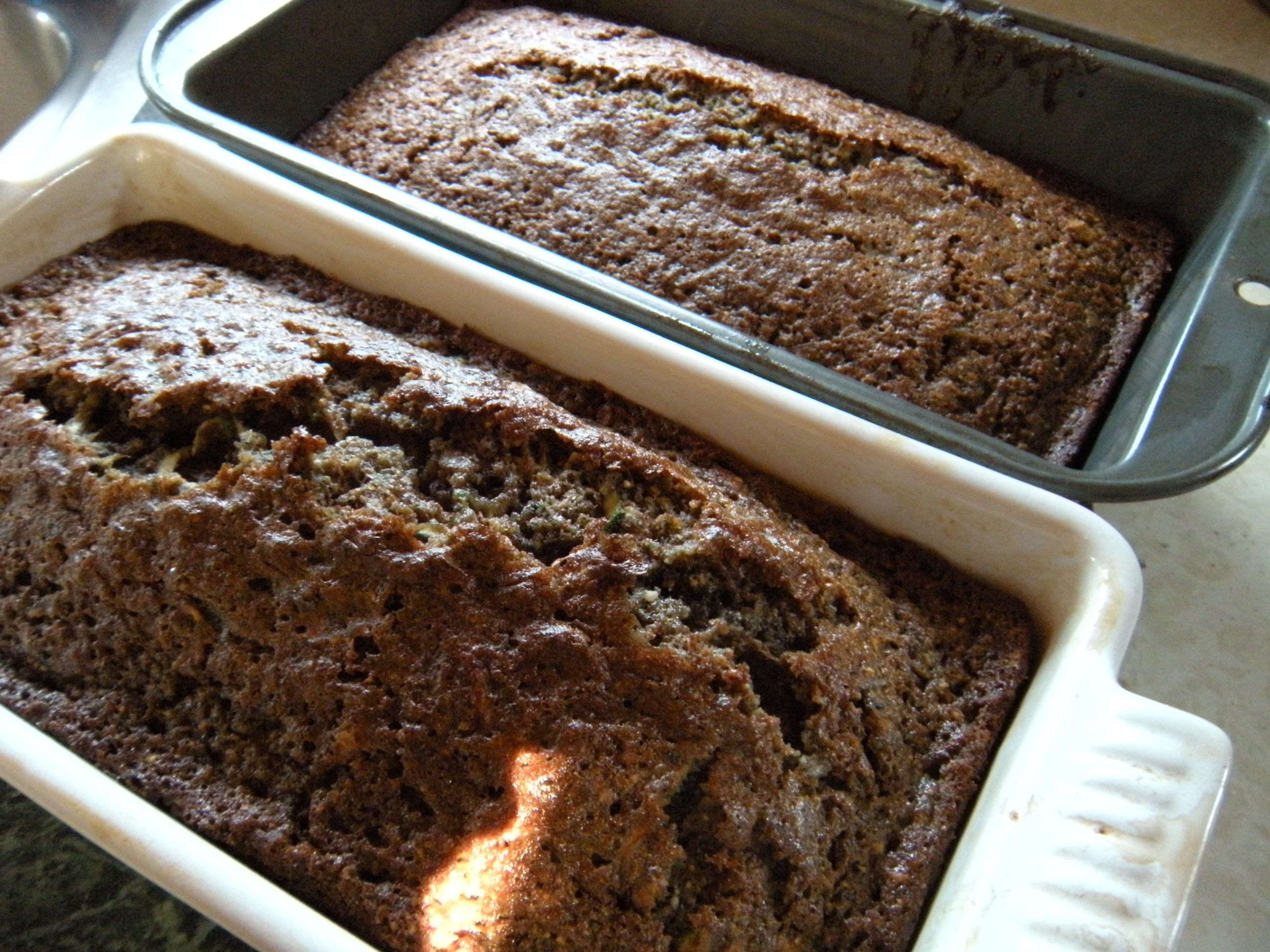
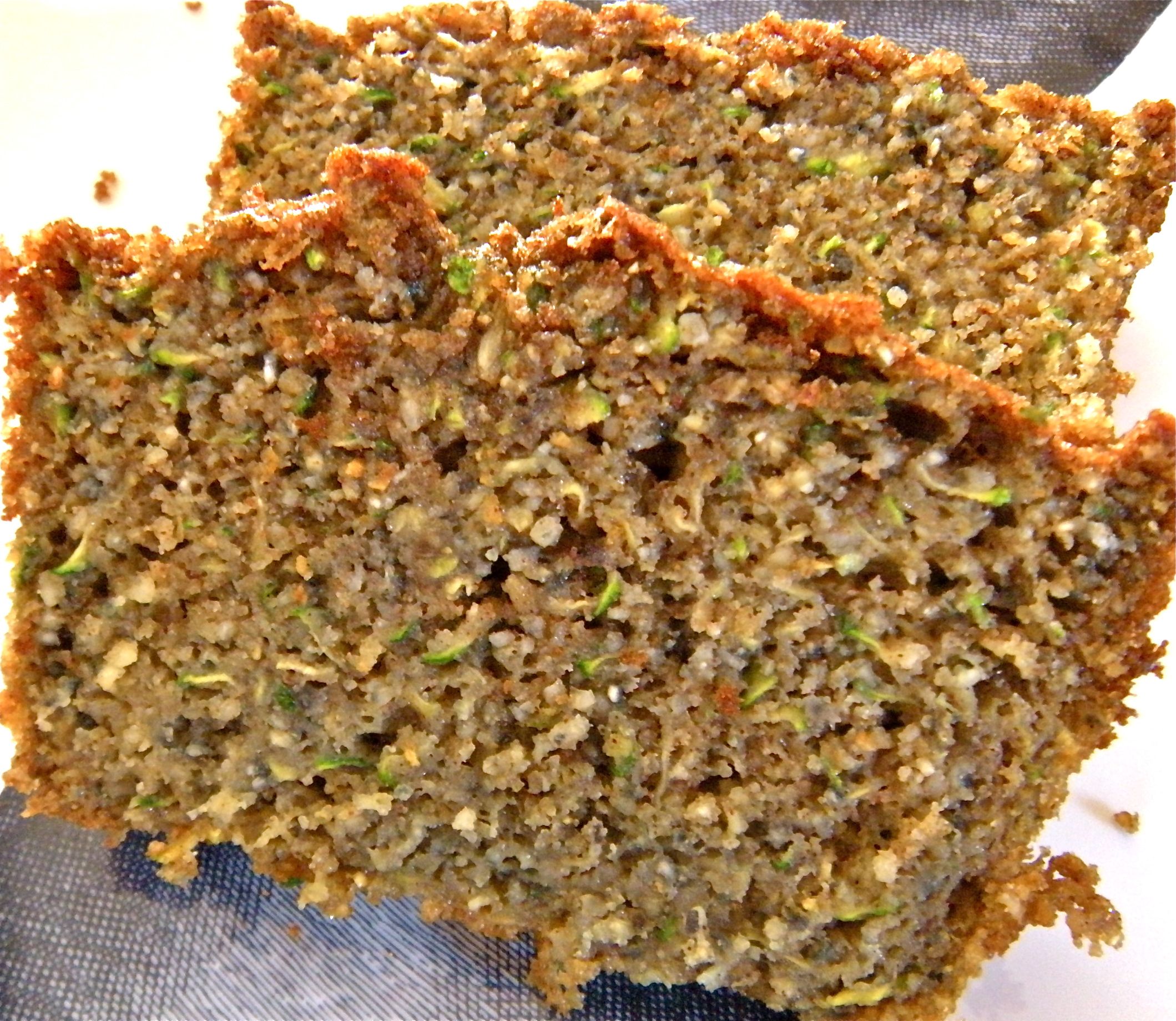
peas and asparagus 1So, to take advantage of this sunny, dry, cool but warm day, I thought I’d use up the bag of shelled fresh peas that I’ve been saving in the fridge and make an asparagus-pea soup to have for supper tonight. I’ve also been wanting to make a zucchini bread ever since I stopped at the farmstand yesterday and they were sold out of zucchini bread although loaves of banana-nut and cranberry-nut breads were lined up in neat rows.

The last time I made a zucchini bread was a few years ago when we had a bunch of pianists over to play works in progress for each other. One of them, a twenty-something youth with acne on his face, ignored our protocol not to show off, and then tried to make up for his immodesty by complimenting me on how good the zucchini bread was. I’ve chatted with another pianist recently about the baffling phenomenon that pianists can’t seem to play for each other without becoming competitive. But that’s a post that I will hopefully avoid writing about.

zucchini bread 1In any case, music and cooking sometimes go well together and today, since it’s such a fine day, I might play some Bach and work on a Beethoven Rondo that Paul Lewis, an English pianist, has recorded. This afternoon, I’ll make the soup and let it chill. And if I have enough zucchini, I’ll bake a couple of loaves of zucchini bread–some to have with the soup for supper and some to give away next door to G.’s family and downstairs for our medical student before he goes away for the weekend. I like to make recipes that are classic, and zucchini bread 2while I’ve bought a couple of non-gluten flours and xanthum gum, I think I’ll use half regular flour and half blue cornmeal flour for the zucchini bread.

I’ve been thinking about keeping things simple and staying close to home in terms of what I’m thinking about these days. That is, to get the hardware removed from my ankle, a screw that goes through my tibia and fibula next week in outpatient surgery. I hope the bone/ankle will heal enough so that I can bear weight on it before going on a trip to Puget Sound in early September.

So, our summer meals are less fussy these days: last night, we had bean soup and BLT’s on cracked wheat bread that I brought back from a bakery in Concord. There’s nothing better than a ripe tomato, fresh lettuce leaves, bacon and this bread. Tonight, we’ll have cream of asparagus-pea soup and zucchini bread. This weekend, I might make fresh corn crepes to go with something on the grill.

So summer “lite” is here for awhile: less heavy meals, reading for fun and maybe even some serious goofing off (whatever that might happen to be.)


family feud . . .

DSC_0883_2

If you live in Massachusetts, New Hampshire or Maine, you have probably seen news reports about the groundswell protest of workers and managers employed by the Market Basket grocery store chain (71 stores!) that erupted this week. It pits two cousins in a long-standing feud: Arthur T. Demoulas (the fired CEO) and Arthur S. Demoulas (the non-business cousin) who managed to shuffle the Board of Directors so that his arch-nemesis, the very popular CEO (George T.) was fired by the new board a month ago.

Lest you think this is a folk tale (Robin Hood?) where the working level employees support a fired CEO, personal loyalties to him are stronger than worrying about being fired themselves. One article said that the reason Arthur T. was so popular is that he made personal connections with workers in all the stores, visiting them regularly, providing good benefits and profit sharing through the years. The company, whose revenue was $4.6 BILLION last year, “had no debt (!); low prices and treated its employees like family.” How’s that for an uncommon formula for success?

But what is the fight actually about? You guessed it: money. The cousin, Arthur S. Demoulas, wants $300M. to be paid out from the company’s coffers to a few “shareholders” (8-9 people in the FAMILY, guess which side?) Arthur T. Demoulas (the fired guy) says taking that money out will decrease benefits and payouts for the working people at Market Basket.

The cousin who wants the payout is purportedly one of the 8 richest people in Boston whose personal wealth is estimated to be around $1.6 B. I guess that’s not enough for him if he still wants a share of the $300M payout. What, I wonder, do you do with all that money or what does money buy you when you have that much? What about those family members waiting for their cut of $300M–that’s about $30M apiece if it’s divided evenly. This is crazy, don’t you think?

The thing is, there doesn’t seem to be a win-win resolution to this uprising. The new Board can’t really do anything without losing face. George S. holds 51% and the folk-hero George T. holds 49%. Doesn’t sound too promising for Robin Hood, does it?

The two new Co-CEO’s are supposed to figure something out but their public letter a couple of days ago to employees hasn’t cut any mustard as far as the demonstrations each day show. Firing top managers with decades of experiences hasn’t softened the rebellious workers at all, just the opposite. Besides, one of them was the CEO of Radio Shack, a business that is on its last legs. . . why would they hire HIM to run an already super successful business when the one he’s leaving is going down the tubes? Does this sound Shakespearan to you yet?

Oh, and guess who the judge was who awarded the cousin’s family the big payout in the 1990’s? Judge Maria Lopez–you know the one, who was shown on TV yelling and pointing her finger at a criminal, lambasting him for something and then leaving the bench?

The one factor that nobody’s talked about much is, (drumroll) the customer. They show the empty stores and the picketing employees but we, the customers, are not on the scene except for a few who are trying to shop. Many of us are watching this unfold on the news. I shop at the Market Basket in Gloucester and occasionally at the one in Oxford. The customer loyalty for MB is unbelievable. When I lived in Rockport in a winter rental, you could hear the locals buzz about a new MB that was being built on the hill on the way into town TWO YEARS before it actually arrived.

Every time I go there, there are at least 22 cashier aisles with their stations lit, checking groceries full time. Go into the Stop and Shop or Shaw’s in the same town and there might be two or three cashiers because there are no customers buying stuff! If you lifted a map like a scrabble board and tilted it, most of the customers would slide into the Market Basket location. Do you know why? Because I can buy two bushy bunches of thin, fresh wonderful scallions, two bunches for a dollar at MB. At Shaw’s here in town, your only choice is a cellophane wrapped single bunch of scallions for $1.79 and they’re also not fresh. THAT’s the difference!

Demoulas vs. Demoulas has been going on for twenty years. It’s an inter-familia feud. Jarndyce vs. Jarndyce was an infamous case in the book, “Bleak House” that Charles Dickens described in depressing detail, playing itself out in the 19th century and resulting in no gain to anyone in the end except for the lawyers.

So, who knows how this will play out. Something way bigger, it seems to me, might save the day: like a white knight with enough money to buy everybody out and start anew by restoring the model that worked before: no debt, low prices and treating the workers like family. Who does that in this day and age?

The real outcome will be whether the customers who have a long history and deep loyalty to Market Basket will come back to its stores once the dust settles, and whether it will matter who is in charge.


brotherly love . . .

DSC_0478

I’ve been interested in reading what has happened to the wide-flung family that George Howe Colt describes so well in his book, “The Big House.” It’s amazing what you can discover on line, particularly obituaries when the older generation begins to pass away.

For example, Aunt Ellen Singer, whose marriage might have put her parents at odds with her and her five offspring, was banished from the big Wings Neck house while she was growing up, through her adulthood and even into her sixties. Then, one of her children, Mary Forbes Singer, and her investment partner fiance, David, got married and managed to pull off the purchase of the old house with varying concessions from others (e.g., Aunt Mary, who lived in a small apartment in Montreal delayed payment of her share.) It is there now, much reduced in size, modernized into a year-round home in which Aunt Ellen drew her last breath. And you thought “Howard’s End” was ironic about houses?

In his next book, “Brothers . . .,” the George Colt writes about how he and his three brothers grew up, their personalities, their rivalries and how they turned out in life. Interspersed in separate sections, are vignettes about other famous brothers: for example, Thoreau and his brother, John Wilkes Booth and his brother, the Kennedy and Marx brothers.

While historical brothers serve as interesting biographical filler sandwiched in with his family’s story, I found the chapters about his brothers to be the most interesting. They were so full of humor, wit and insight that I began thinking about what is truly so special about the Colt family. And that is love, dear reader.

Although they each have their individual hard times during puberty and college, they grow apart and then, they start to grow together. Their parents also have their hard times with alcoholism and growing apart. But everyone stays together and then they come together. Later in life, they really love each other and show it in so many thoughtful ways. Is this a kind of loyalty that stems from the Boston Brahmin culture they come from, calling each other long distance during suspenseful Red Sox games, holding a vigil with their parents when Ned, a foreign correspondent, gets kidnapped by the Taliban?

While I was reading and noticing the connections filled with love and caring, I began to look around me to consider if there are similar examples in people that I knew. We were an immigrant family during the McCarthy and “communist scare” era, struggling from the get-go to make a life for ourselves against rampant discrimination all through school. Our Chinese parents were close-lipped about how well we did in school and grudging about how we could have done better. That they were unhappily married for as long as I knew them didn’t help.

Other friends of mine had families of hardship in one way or another: very large families (13 children!); father figures who were stern and notorious for being harsh with their wives and children. Another friend and her siblings were children of divorced parents from another country who were raised by nannies, in private schools and hardly knew each other, never mind cared much about each other. Plus, they were British–stiff upper lip and class conscious, you know.

So, back to this gregarious, successful and very humanitarian family of Colts. They had largesse as part of their upbringing. There was enough money for most of them who wanted to study at Harvard to go. They were well educated and read books all their lives–or at least had an opportunity to read them. They were sports people–they swam, sailed, played tennis and grew up with word games, charades and the like. They ate breakfasts cooked by their father, not a maid, waking up to the smell of bacon, Jones sausage and toast spread with Keiller orange marmalade. They had the good fortune to have a huge summer house to visit every year of their lives, some of the years, the house even lay empty because nobody could make it that year. They had so much quality time spent together in summers at the house on Wings Neck and growing up in Boston.

I’m not saying that wealth produces love, but in this family, they had the resources to spend a lot of quality, pleasure-ful, fun time together growing up. And they made something of themselves too. One is a foreign correspondent, one is a physician who runs a medical residential program in Maine; one toils at a school for the blind and takes care of his parents nearby. And George, the writer who almost won a National Book Award with his volume, “The Big House” is married to Anne Fadiman, (her father was Clifton Fadiman) whose book about a medical crisis between the Hmong and western medical profession in California, DID win the National Book Circle of Critics Award. Can you imagine being a part of such high achievers?

The four brothers are in their sixties now, the father has passed on and the mother still lives in an assisted living place in Easthampton. Not surprisingly, they have banded together to build a time-share house on the Cape for their four families to spend their summers, now that the big house on WIngs Neck has passed along to another branch of the family.

So what about love? Why are some siblings so close and loyal to each other. And others are closed, competitive and even mistrustful of each other? I think it’s due to the attitude of the parents themselves. If they openly favor certain siblings, there often results a conflict between pairs within families: mother/son versus father/daughter. And some are left over and out of it too, for better or worse.

And if there’s not much love in the air to be observed while you’re growing up, then, how does one get an idea of what it feels like or looks like? Conflict between parents, whether it’s open or muted, sets the tone for everyone growing up. The kids always know the lay of the land. Anyhow, if you had love in your childhood, you’re really lucky. If not, many of us look for other ways to make up for it. We just don’t know how to go about loving people ourselves very well. Sometimes, it takes years of practice.

Meanwhile, reading about these brothers is inspiring, even if all you have are sisters.


“the big house” . . .

blog photo

Although I’ve had this book, “The Big House” (written by George Howe Colt) on my shelves since it was published a decade ago, I’ve just recently found and read it again. It is a poignant memoir about a huge weathered house on the Cape that has been in his family for almost a century.The first few times through, I was put off by the somewhat lengthy digressions that he makes about the “white WASP” Brahmin society from which he derives. Everyone goes to Harvard. Everyone, it seems, has money that they don’t have to earn. There is a degree of genteel snobbery towards others as well. And there’s plenty of marital discord, infidelity and alcoholism, not to mention mental illness to go around.

This sounds rather harsh, but perhaps it’s because I am one of those immigrants who drive by these majestic homes along the North Shore or on the Cape, where the “big house” is located on Wings Neck looking over Buzzard’s Bay and wonder to myself “who are these people” who live in these homes? Now we know, at least for this particular huge house near Woods Hole on the Cape.

DSCN1692Truth be told, my own home lies within a “big house” too. It’s a Queen Anne Victorian house built in 1899, at the turn of the century a few years earlier than the Wings Neck House, built in 1901. Colt’s family is one of those lucky ones where real estate overlooking the ocean is built by an ancestor, then handed down for almost a century for future generations to live in, rent out or to wait until such time that it is sold, the proceeds divided among the survivors.

Reading Colt’s description of what their “big house” meant to him, his wife, children and his large family of fifteen cousins over the years gives an insider’s look at their family. He describes times when an S.S. Pierce truck would pull up to the house, unloading staples like Keiller’s orange marmalade in grey pottery jars; Jones’ breakfast sausage and enough bacon to serve the hordes for breakfast every morning. Also beautifully described, because the author is a writer by profession, is his love of books, particularly his descriptions by title, depth and variety of books shelved in every room of the 13 bedroom house. When it’s his turn to pick something to keep from the house, it is the turn-of-the-century volumes of Dickens he read as a child while lolling on the chaise longue in one of the sitting rooms of the house.

There are estrangements between husbands and wives and financial constraints that hinder the family’s wish to keep the big house in the family even though taxes and repairs are a yearly burden. Yet, this large family holds itself together with a pervasively gracious consideration for each other that permeates the ending of this great house. The last quarter of the book is worth re-reading just to witness how the family interacts with each other as bids come in from developers who want to raze it to the ground and name a subdivision after their family, “Colt’s Pointe.”

I will let you read the book yourself to see what happens to the house, letting you know that it is not unlike the outcome of “Howard’s End,” that beautiful novel where a house becomes a living character in a story that has its own destiny, out of reach of what people want or don’t want to happen, no matter how fiercely they struggle with each other as tragedy unfolds.

As for living in our big house, I look around me to appreciate again the hard work and resources that have been poured into renewing this place, the quality of the woodworking and materials and most of all, that we have the good fortune to live in the spacious vaulted space with skylights that it provides us with. And on a smaller scale, books shelved everywhere.

DSCN5116_2

Reading about a big house on the Cape has re-ignited my appreciation of our own house: the cherry floorboards up the original staircase with cherry bannisters, the wide board pine floors on the upper floor where we live, the cedar shake siding that clads the house, handcrafted copper gutters and downspouts, the stained glass windows on the first floor that abut the wisteria bower where a family of cardinals live.

Life is long, I am wont to say. Rather than cramming as much as we can into our day because we are fearful that “life is short,” and could be cut off at anytime, I am impressed over and over again by observing how life unfolds when we seem to have virtually nothing to do with the outcome. I don’t know why I landed here in a second marriage after a long, unhappy first one that had left me high and dry. Nor did it seem possible for G. and me to make such a fitting home for ourselves relatively late in life.

All I know is that our glass is more than half full and when we partake from it, it’s helpful to remember the effort that has gone into making it so. And to be thankful.

‘unexamined life’ . . .

a twilight zone . . .

a twilight zone . . .

Gee, today, I read a comment in the NYTimes that someone writing about herself was ‘self-absorbed’ because they wrote in the first person. I began to wonder if that’s how I come across in my posts when I ruminate about things that happen in my life. When is a journal or memoir besmirched by the characterization of being ‘self-absorbed?’

There’s also a saying you may have heard, that “an unexamined life is not worth living.” What’s the balance between the two? Here’s what I found online about this line which Socrates penned so long ago:

I’ve always been fascinated by Socrates’ bold statement that “The unexamined life is not worth living.”

He doesn’t mince words. He doesn’t say that the unexamined life is “less meaningful than it could be” or “one of many possible responses to human existence.” He simply and clearly says it’s not even worth living.
Why does he make such strong, unequivocal statement?

Socrates believed that the purpose of human life was personal and spiritual growth. We are unable to grow toward greater understanding of our true nature unless we take the time to examine and reflect upon our life. As another philosopher, Santayana, observed, “He who does not remember the past is condemned to repeat it.”

Examining our life reveals patterns of behavior. Deeper contemplation yields understanding of the subconscious programming, the powerful mental software that runs our life. Unless we become aware of these patterns, much of our life is unconscious repetition.

and finishes with this sentence:

It’s a radical act to stop and contemplate your life. But according to Socrates, it’s the only game that really matters.

Food for thought!


“DIY” . . .

DSC_0415Yesterday, I went to the movies by myself and saw “Begin Again,” with Kiera Knightley, Mark Ruffalo and Adam Levine. It was full of surprises. For one thing, Adam Levine was terrific in portraying his character. Keira Knightley, looked lovely at some angles, but sometimes also has a smirky pose that appears on film that does her no favors. Mark Ruffalo seems to be visible everywhere these days in a kind of career renaissance after playing the good guy on “13 going on 30” with Jennifer Garner. In between that movie and this one feels like a couple of decades, but whatever. Most actors nowadays are standing in line to test out their pilot TV series no matter how gruesome or dumb the concepts are, e.g., “Extant” with Halle Berry.

But back to the surprises in the movie. (here are some spoilers): Ruffalo and Knightley work together on a project that serves them both well professionally but they don’t end up in bed (or even kissing) each other although they do look longingly at each other every once in awhile. Adam Levine’s character craps on his relationship with Knightley although he is sorry afterwards and he wants her back: she longs for integrity of her songs more than she wants him back. In the end, you realize, dear viewer, that the whole movie is about how compromised a creative work (e.g., original song) can be when people (bad marketing and money-mongers) want to make lots of money off of other people’s creativity. It turns out that the creator of a song or a writer of a book receives ONE DOLLAR out of the TEN dollars per unit spent on marketing, publicity and production/distribution.

So what is the moral of the story? Stay true to yourself. Don’t compromise. Keep being creative about your own work. Protect the integrity of your own work from money mongers and parasites who hook onto your creation and then steal it to make it “more marketable.” That goes for lovers and ex-lovers who take your song in order to make it “bigger.”

Surprisingly, some of the songs Kiera Knightley’s character supposedly composes and then sings are not all that bad. They have a kind of poignantly musical tonal space that is appealing a lot of the time. What I liked best was the actress who played the classical cellist who mouthed the words of the song during each of the gigs. And her brother was funny too, the prodigy violinist, each working for no upfront money but for a cut of the proceeds on the back end should there be any.

Which brings me full circle to the moral of this little film. Instead of handing over her project of songs performed all over NYC to a big-name record company, Knightley’s character decides to upload it online and SELL IT FOR ONE DOLLAR. It doesn’t hurt that they get a big record honcho who is a friend of Ruffalo’s character to publicize it online in a Twitter post.

So, it takes off, right? 10,000 purchases on the first day? At a dollar a pop, (which is all they would have received anyhow by letting record producers “remix a couple of tunes” etc.,) this is Do-It-Yourself (DIY) to the MAX! And the proceeds are PURE. The big-bad-middlemen are cut out of the picture altogether and the proceeds are shared by all the musicians who worked for nothing just to be playing music and participating in this project.

I drove home thinking I should just write what I want to write, stop worrying about publishing or who might or might not want to read it; and sell it (whatever it turns out to be) for a dollar online.

BINGO, now that was worth the price of admission.